

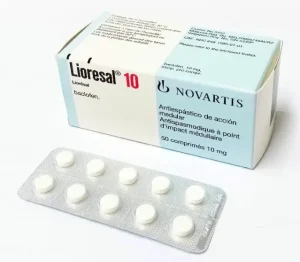
TM Owner Novartis
Lioresal 10mg Tablet
Global Shipping : Reliable Global Distribution Network
Express Delivery : Priority Shipping for Every Order
Secure Payments : Trusted Payment Protection System
 Disclaimer

Secure Handling
24/7 Worldwide Support

Global Access
Worldwide Access to Health

Cold-Chain Expert
Excellence in Cold-Chain

Trusted Supply
Certified Medical Supply
Indications & Clinical Uses
- Lioresal 10 mg tablets contain baclofen, a muscle relaxant used to relieve spasticity (muscle stiffness and spasm).
- In the UK, where Novartis Pharmaceuticals UK Limited holds the licence, adults use it for spasticity caused by multiple sclerosis, spinal cord lesions, stroke (cerebrovascular accident), cerebral palsy and traumatic head injury; children from birth to under 18 years may use it for spasticity of cerebral or spinal cord origin, but the tablets are unsuitable for children under 33 kg.
- The Canadian monograph describes muscle stiffness and spasm from multiple sclerosis and spinal cord injury or disease.
- Adults start at 15 mg a day in divided doses, raised gradually; the usual range is 40 to 60 mg a day with a maximum of 100 mg.
- Lioresal Intrathecal and Lioresal Liquid are separate products and are not interchangeable with the tablets.
Side Effects
- Very common effects (more than 1 in 10 people): sedation, sleepiness and nausea.
- Common effects include confusion, dizziness, hallucinations, low mood, tiredness, difficulty sleeping, muscle weakness, unsteadiness, tremor, visual problems, low blood pressure, constipation, rash, urinary symptoms and respiratory depression.
- Rare effects include abnormal liver tests and erectile dysfunction.
- Seek urgent help for new or worsening drowsiness, confusion, muscle jerks or coma, and report any thoughts of harming yourself.
- SERIOUS WARNING (Canadian monograph): stopping Lioresal suddenly can cause delirium, visual and auditory hallucinations, convulsions (status epilepticus) and worsening spasticity, so the dose must be reduced gradually over 1 to 2 weeks.
- The UK SmPC carries no boxed warning but gives the same advice.
- Taking tablets with food may ease nausea.
Precautions & Warnings
- Do not take Lioresal if you are allergic to baclofen or any ingredient, or have a peptic (stomach) ulcer; the leaflet also mentions wheat allergy (other than coeliac disease).
- Never stop suddenly: reduce over 1 to 2 weeks to avoid seizures, hallucinations and rebound spasticity.
- Take care with epilepsy (fits may worsen), psychiatric illness (depression, schizophrenia; suicidal thoughts reported), kidney impairment (lower doses, about 5 mg a day, are used), older age and a history of stroke, which the Canadian monograph says is poorly tolerated.
- Encephalopathy has been reported; stop if it occurs.
- Use in pregnancy only if vital, as newborns can have withdrawal seizures; small amounts pass into breast milk.
- Do not drive or use machines if drowsy, dizzy or your vision is affected.
- Store below 25 degrees C in the original pack, away from moisture.
Avoid Interactions
- Increase effect or toxicity: alcohol, opioids, sleeping medicines, sedatives and other muscle relaxants (more sedation and breathing depression); blood pressure medicines (additive fall in blood pressure); tricyclic antidepressants (more muscle weakness); lithium (worse involuntary movements); levodopa/carbidopa (confusion and hallucinations); NSAIDs and other medicines affecting kidney function (Canadian monograph).
- Reduced effectiveness: the sources reviewed list no medicine that lowers the effect of baclofen.
- Alcohol may affect you more than usual.
- No foods are listed to avoid, and taking the tablets with food may ease nausea.
- Because Lioresal can cause drowsiness, ask a pharmacist before starting any new medicine that makes you sleepy.
- Tell your healthcare provider about all prescription and non-prescription medicines and supplements you take.
References
Frequently Asked Questions
Lioresal (baclofen) 10 mg tablets treat spasticity, meaning muscle stiffness and spasm, caused by multiple sclerosis, spinal cord damage, stroke, cerebral palsy or head injury. In the UK, children from birth to 18 can use it, but the tablets are unsuitable under 33 kg. Your prescriber sets the dose.
Take Lioresal (baclofen) exactly as prescribed. Adults usually start at 15 mg a day in divided doses, raised slowly; the usual range is 40 to 60 mg a day and the UK maximum is 100 mg. Taking it with food may help if it makes you feel sick.
The most common Lioresal (baclofen) side effects, affecting more than 1 in 10 people, are tiredness, sleepiness and nausea. Get urgent help for confusion, increasing drowsiness, muscle jerks or thoughts of harming yourself. Do not drive if you feel drowsy, dizzy or your eyesight is affected.
Avoid or limit alcohol with Lioresal (baclofen), because it may affect you more than usual. Tell your prescriber before taking opioids, sedatives, blood pressure medicines, tricyclic antidepressants, lithium or levodopa. Do not take it if you have a stomach ulcer or are allergic to baclofen.
If you forget a Lioresal (baclofen) dose, take the next dose at the usual time. Do not take a double dose to catch up. Keep taking your tablets as prescribed and do not stop suddenly, because that can cause withdrawal symptoms such as fits.
No. Stopping Lioresal (baclofen) suddenly can cause hallucinations, delirium, convulsions and worse muscle spasms. Your doctor will reduce the dose gradually over 1 to 2 weeks. Any dose reduction should be done under your doctor's guidance, so do not stop your tablets without medical advice.

Trusted & Reliable – Your Partner in Global Distribution.
We provide comprehensive lines of pharmaceutical products to support all your healthcare distribution needs.


