

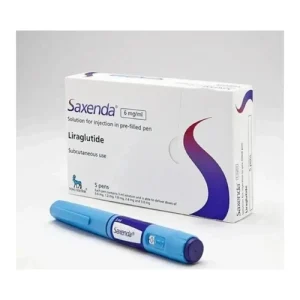
TM Owner Novo Nordisk
Saxenda 6mg/ml Injection
Global Shipping : Reliable Global Distribution Network
Express Delivery : Priority Shipping for Every Order
Secure Payments : Trusted Payment Protection System
 Disclaimer

Secure Handling
24/7 Worldwide Support

Global Access
Worldwide Access to Health

Cold-Chain Expert
Excellence in Cold-Chain

Trusted Supply
Certified Medical Supply
Indications & Clinical Uses
- Saxenda 6 mg/mL (liraglutide), a GLP-1 receptor agonist, is indicated as an adjunct to a reduced-calorie diet and increased physical activity for chronic weight management in adults with obesity (BMI 30 or above) or with overweight (BMI 27 or above) plus at least one weight-related condition such as high blood pressure, type 2 diabetes or high cholesterol.
- It is also approved in the US for adolescents aged 12 and over who weigh more than 60 kg and have obesity.
- Saxenda is a lower, weight-management dose of liraglutide and is a distinct product from the diabetes-dose liraglutide injection (Victoza); it should never be combined with another liraglutide-containing medicine or with another GLP-1 receptor agonist.
- Saxenda is self-injected once daily under the skin of the abdomen, thigh or upper arm.
Side Effects
- Saxenda carries a boxed warning for the risk of thyroid C-cell tumours, seen in rodent studies; it is unknown whether this occurs in humans, and Saxenda is contraindicated in anyone with a personal or family history of medullary thyroid carcinoma or Multiple Endocrine Neoplasia syndrome type 2.
- Very common side effects (more than 1 in 10 people) include nausea, diarrhoea, constipation, vomiting, injection-site reactions and headache.
- Common effects include low blood sugar (especially with insulin or sulfonylureas), indigestion and tiredness.
- Seek urgent medical help for severe, persistent abdominal pain that may spread to the back (possible pancreatitis), right-upper abdominal pain with yellowing skin (possible gallbladder disease), or a lump or swelling in the neck.
- Rotate injection sites to reduce local reactions.
Precautions & Warnings
- Saxenda is contraindicated in anyone with, or with a family history of, medullary thyroid carcinoma or MEN 2 syndrome, and in serious hypersensitivity to liraglutide.
- Before starting, tell your healthcare provider about any history of pancreatitis, gallbladder disease, kidney problems or diabetic eye disease, since rapid blood-sugar improvement can temporarily worsen retinopathy.
- Saxenda is not recommended in pregnancy or while breastfeeding, and should be stopped at least one month before a planned pregnancy.
- It can mildly increase heart rate, so this is monitored during treatment.
- Because it slows stomach emptying, caution is needed with anaesthesia and other medicines requiring rapid absorption.
- Safety and effectiveness for weight management have not been established in children under 12 years.
Avoid Interactions
- Saxenda slows gastric emptying and can affect how quickly oral medicines are absorbed, so tell your healthcare provider about all oral drugs you take, particularly ones needing rapid absorption.
- Using Saxenda together with insulin or a sulfonylurea-type diabetes medicine increases the risk of low blood sugar, and the dose of those medicines may need adjusting.
- No clinically important interactions were seen in studies with digoxin, lisinopril, atorvastatin, oral contraceptives or paracetamol, but your prescriber should still know about every medicine and supplement you use.
- Avoid combining Saxenda with other liraglutide products (such as Victoza) or other GLP-1 receptor agonists (for example semaglutide), as combining incretin-based therapies increases side effects without added benefit.
References
Frequently Asked Questions
Saxenda (liraglutide) is a once-daily injection for long-term weight management in adults with obesity, or overweight with a weight-related condition like high blood pressure or type 2 diabetes. It's used with a reduced-calorie diet and more exercise, and is also approved for some adolescents aged 12 and over.
You inject Saxenda yourself once daily, at any time, under the skin of your abdomen, thigh or upper arm, with or without food. Treatment starts at a low dose (0.6 mg) and increases weekly up to the target 3 mg dose to reduce nausea. Rotate injection sites each time.
Nausea, diarrhoea, constipation, vomiting and injection-site reactions are very common with Saxenda. It also carries a boxed warning for thyroid C-cell tumours seen in animal studies. Get urgent help for severe stomach pain reaching your back (possible pancreatitis) or a lump in your neck.
Don't combine Saxenda with other liraglutide medicines (like Victoza) or other GLP-1 injections such as semaglutide, as this raises side effects without extra benefit. If you also take insulin or a sulfonylurea, watch for low blood sugar. Tell your prescriber about every oral medicine, since Saxenda slows stomach emptying.
Store new, unopened Saxenda pens in the fridge, 2°C to 8°C, until first use. Once you start a pen, keep it in the fridge or at room temperature (up to 30°C) for up to 30 days, then throw it away even if some liraglutide remains. Never freeze Saxenda.
No - Saxenda isn't recommended in pregnancy or while breastfeeding; stop it at least a month before trying to conceive. It's approved for weight management in adolescents aged 12 and over who weigh more than 60 kg and have obesity, alongside diet and exercise support.

Trusted & Reliable – Your Partner in Global Distribution.
We provide comprehensive lines of pharmaceutical products to support all your healthcare distribution needs.


