

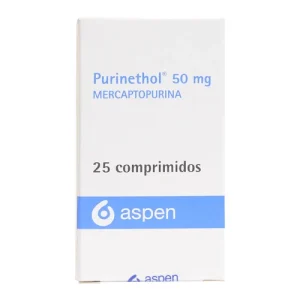
TM Owner Teva Pharmaceuticals
Mercaptopurine 50mg Tablet
Global Shipping : Reliable Global Distribution Network
Express Delivery : Priority Shipping for Every Order
Secure Payments : Trusted Payment Protection System
 Disclaimer

Secure Handling
24/7 Worldwide Support

Global Access
Worldwide Access to Health

Cold-Chain Expert
Excellence in Cold-Chain

Trusted Supply
Certified Medical Supply
Indications & Clinical Uses
- Mercaptopurine 50 mg tablets contain mercaptopurine, a purine antimetabolite and antineoplastic (chemotherapy) agent used as part of combination maintenance therapy for acute lymphoblastic leukemia (ALL) in adults and children.
- It is not used as a single first-line therapy; it is given alongside other chemotherapy medicines according to an established treatment protocol, over months to years of maintenance treatment.
- Mercaptopurine has been marketed in the United States since 1953, and multiple generic manufacturers currently supply the 50 mg tablet; the originator brand name is Purinethol.
- Dosing is individualised based on body weight, blood counts and, where tested, TPMT and NUDT15 enzyme activity, because patients with reduced enzyme activity are at much higher risk of severe toxicity at standard doses.
Side Effects
- The most common Mercaptopurine effects, occurring in more than one in five patients, are bone marrow suppression — anemia, low white cell counts (leukopenia) and low platelets (thrombocytopenia) — which raise the risk of infection, bruising and bleeding.
- Nausea, vomiting, diarrhea and rash are also common.
- Serious liver injury (hepatotoxicity) can occur, sometimes with jaundice appearing one to two months after starting treatment, so liver function is monitored regularly.
- Report fever, unusual bruising or bleeding, sore throat, yellowing of the skin or eyes, dark urine, or severe abdominal pain to your healthcare provider straight away, as these can signal serious toxicity requiring an urgent blood count and dose adjustment.
- Regular blood tests throughout treatment are essential to catch these problems early.
Precautions & Warnings
- Mercaptopurine requires regular complete blood counts and liver function tests throughout treatment, with dose adjusted for myelosuppression or hepatotoxicity.
- Patients with reduced TPMT or NUDT15 enzyme activity, which can be tested for, are at much greater risk of severe, potentially life-threatening bone marrow suppression at standard doses and need a lower starting dose and closer monitoring.
- Mercaptopurine can cause fetal harm and pregnancy loss, so it should not be used in pregnancy unless clearly necessary, and people of reproductive potential should use effective contraception during treatment.
- Dose reduction is needed in significant hepatic or renal impairment.
- Live vaccines should generally be avoided during treatment because of immune suppression, and infections should be reported promptly.
- There is no current boxed warning on the US label for Mercaptopurine tablets, but its myelosuppressive and hepatotoxic effects require the same vigilance.
Avoid Interactions
- Allopurinol, used for gout, blocks the enzyme that breaks down mercaptopurine and can raise its levels sharply; when the two are combined, the mercaptopurine dose usually needs to be cut to about one-quarter to one-third of normal to avoid severe toxicity.
- Other drugs that affect TPMT metabolism, such as some sulfa-containing medicines including sulfasalazine, may also increase toxicity risk.
- Combining mercaptopurine with other myelosuppressive chemotherapy or radiation increases the risk of severe blood count suppression, and live vaccines should be avoided during treatment because of reduced immunity.
- Warfarin's effect may be altered when mercaptopurine is added.
- Always tell your healthcare provider and pharmacist about every prescription and over-the-counter medicine, herbal product and supplement you use before starting Mercaptopurine.
References
Frequently Asked Questions
Mercaptopurine is a chemotherapy tablet used as part of combination maintenance treatment for acute lymphoblastic leukemia (ALL) in adults and children. It is not used alone; it's given alongside other chemotherapy drugs over months to years according to a leukemia treatment protocol. The original brand name is Purinethol.
Mercaptopurine 50 mg tablets are taken by mouth, usually once daily, at roughly the same time each day. Your dose is based on your body weight, blood counts and, where tested, TPMT or NUDT15 enzyme levels, since low enzyme activity raises the risk of severe side effects at normal doses.
The most common Mercaptopurine effects are low blood counts — anemia, low white cells and low platelets — plus nausea, vomiting, diarrhea and rash. Liver injury can also occur. Get urgent care for fever, unusual bruising or bleeding, sore throat, or yellowing of the skin or eyes.
Avoid allopurinol unless your doctor specifically reduces your Mercaptopurine dose, since allopurinol raises mercaptopurine levels and toxicity risk sharply. Avoid live vaccines and unnecessary infection exposure, as Mercaptopurine weakens the immune system. Tell your healthcare provider about every medicine, including sulfasalazine and warfarin.
You will have regular complete blood counts and liver function tests throughout Mercaptopurine treatment, since it can suppress bone marrow and injure the liver. Many patients are also tested for TPMT or NUDT15 enzyme activity before starting, because low activity greatly increases the risk of severe toxicity.
Mercaptopurine can harm a developing baby and cause pregnancy loss, so it is avoided in pregnancy unless clearly necessary. People who can become pregnant, and their partners, should use effective contraception during treatment. Discuss pregnancy planning with your healthcare provider before starting or stopping Mercaptopurine.

Trusted & Reliable – Your Partner in Global Distribution.
We provide comprehensive lines of pharmaceutical products to support all your healthcare distribution needs.


