

TM Owner Accord BioPharma Inc.
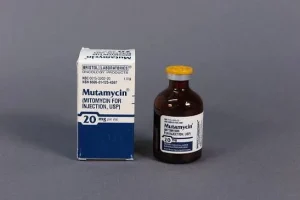
Mutamycin 20mg Vial
Global Shipping : Reliable Global Distribution Network
Express Delivery : Priority Shipping for Every Order
Secure Payments : Trusted Payment Protection System
 Disclaimer

Secure Handling
24/7 Worldwide Support

Global Access
Worldwide Access to Health

Cold-Chain Expert
Excellence in Cold-Chain

Trusted Supply
Certified Medical Supply
Indications & Clinical Uses
- Mutamycin 20 mg is a brand of mitomycin, a cytotoxic antibiotic and alkylating antineoplastic agent now marketed in the US by Accord BioPharma; the current FDA label lists Accord BioPharma, not Bristol Myers Squibb, as the sponsor.
- It is approved, in combination with other approved chemotherapeutic agents, for the palliative treatment of disseminated adenocarcinoma of the stomach or pancreas when other treatment modalities have failed; it is not recommended as single-agent, primary therapy.
- Mutamycin is a hospital- or clinic-administered medicine given only by a qualified oncology physician with facilities to manage chemotherapy complications, never for self-administration.
- Use in adults with disseminated gastric or pancreatic cancer follows individualised intravenous dosing based on body surface area and blood counts checked before each treatment cycle.
Side Effects
- Bone marrow suppression, chiefly low platelet and white blood cell counts (thrombocytopenia and leukopenia), is the most common and most serious toxicity of Mutamycin, occurring in about 64% of patients and carrying a risk of overwhelming infection or bleeding; blood counts are checked before every dose.
- Nausea, vomiting, loss of appetite and fever affect around 1 in 7 patients (about 14%).
- A rare but serious complication is Hemolytic Uremic Syndrome, involving red blood cell breakdown, low platelets and irreversible kidney failure, most often after cumulative doses of 60 mg or more; report unusual bruising, reduced urine output or breathlessness immediately.
- Because Mutamycin is a vesicant, leakage from the vein (extravasation) can cause severe tissue damage and skin loss, sometimes without pain at the time; report any burning, stinging or swelling at the infusion site to the treating team right away.
Precautions & Warnings
- Mutamycin must be given intravenously only, through a functioning IV line, with care to avoid extravasation, since leakage into surrounding tissue can cause severe local damage; it must never be given by any other route.
- It is contraindicated in patients with a history of hypersensitivity to mitomycin, and in those with thrombocytopenia, coagulation disorders or an increased bleeding tendency, because of the added risk of serious bleeding.
- Blood counts and kidney function must be monitored regularly throughout treatment, and doses are reduced or delayed based on bone marrow recovery.
- Because it can cause fetal harm, effective contraception is advised during treatment, and it should not be used in pregnancy unless the potential benefit justifies the risk to the fetus; it is not known whether mitomycin passes into breast milk, so breastfeeding is not recommended during treatment.
- Mutamycin should only be prescribed and given by physicians experienced in cancer chemotherapy.
Avoid Interactions
- Combining Mutamycin with other bone-marrow-suppressing chemotherapy agents or with radiotherapy increases the risk of severe blood count drops, so combination regimens require close monitoring of blood counts.
- There is an increased risk of Hemolytic Uremic Syndrome and interstitial pneumonitis when mitomycin is used together with other cytotoxic drugs, including vinca alkaloids such as vincristine, so patients on such combinations need close respiratory and renal monitoring.
- Live vaccines should be avoided during and after Mutamycin treatment because of the risk of severe infection from a weakened immune system; check with the treating oncologist before any vaccination.
- Tell the care team about all other medicines and supplements being used, since Mutamycin's effect on bone marrow and bleeding risk can be worsened by anticoagulants or other drugs affecting blood clotting.
- Mutamycin must not be mixed with other drugs in the same IV line without confirming compatibility.
References
Frequently Asked Questions
Mutamycin (mitomycin) is a chemotherapy drug used, combined with other cancer medicines, for advanced (disseminated) stomach or pancreatic cancer when other treatments have failed. It is a palliative treatment meant to control the cancer rather than cure it, and is not used alone.
Mutamycin is given by a cancer specialist as an intravenous injection through a working IV line, never as a tablet or self-injection. A typical cycle repeats every 6 to 8 weeks, with the dose adjusted based on your blood counts.
Mutamycin commonly lowers blood cell counts (bone marrow suppression), affecting about 6 in 10 patients, raising infection and bleeding risk. Report unusual bruising, fever, or reduced urine output at once - these can signal Hemolytic Uremic Syndrome, a rare but serious kidney complication.
Avoid live vaccines during and after Mutamycin treatment, since your immune system will be weakened. Tell your care team about all other medicines and supplements, especially other chemotherapy drugs or blood thinners, which can raise your bleeding or bone-marrow-suppression risk further.
Mutamycin is a vesicant, so leakage outside the vein (extravasation) can cause severe tissue damage even without pain at the time. Tell the nurse immediately about any burning, stinging or swelling at the infusion site so it can be stopped and treated.
Mutamycin can cause fetal harm, so it is generally avoided in pregnancy unless the benefit clearly outweighs the risk, and effective contraception is recommended during treatment. It is not known if mitomycin passes into breast milk, so breastfeeding is not advised while receiving it.

Trusted & Reliable – Your Partner in Global Distribution.
We provide comprehensive lines of pharmaceutical products to support all your healthcare distribution needs.


