

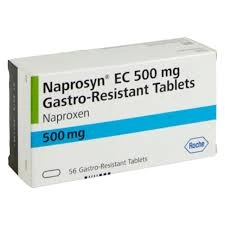
TM Owner Atnahs Pharma UK Limited
Naprosyn 500mg Tablet
Global Shipping : Reliable Global Distribution Network
Express Delivery : Priority Shipping for Every Order
Secure Payments : Trusted Payment Protection System
 Disclaimer

Secure Handling
24/7 Worldwide Support

Global Access
Worldwide Access to Health

Cold-Chain Expert
Excellence in Cold-Chain

Trusted Supply
Certified Medical Supply
Indications & Clinical Uses
- Naprosyn 500 mg is a tablet form of naproxen, a nonsteroidal anti-inflammatory drug (NSAID) of the propionic acid class.
- Its US approval (sponsor Atnahs Pharma US) covers rheumatoid arthritis, osteoarthritis, ankylosing spondylitis, acute gout, acute musculoskeletal disorders, primary dysmenorrhoea, and juvenile rheumatoid arthritis in children over 5 years of age; the UK/EU label (Naprosyn, Atnahs Pharma UK Limited) lists the same core indications.
- Naproxen is also sold as the sodium salt under the brand names Anaprox and Naprelan, which are dosed differently and are not interchangeable milligram-for-milligram with plain naproxen tablets.
- Naprosyn is available only with a prescription and should be used at the lowest effective dose for the shortest time that controls symptoms.
Side Effects
- The most common side effects of Naprosyn are gastrointestinal: heartburn, indigestion, nausea, vomiting, constipation and diarrhoea.
- Naproxen, like other NSAIDs, carries a class warning of increased risk of serious cardiovascular thrombotic events, including heart attack and stroke, and an increased risk of serious gastrointestinal bleeding, ulceration and perforation of the stomach or bowel, which can happen suddenly and without warning signs.
- Less common but serious reactions include kidney problems, liver problems with jaundice, severe skin reactions such as Stevens-Johnson syndrome, and allergic reactions with swelling of the face or throat.
- Seek urgent medical attention for chest pain, sudden weakness, black or bloody stools, vomiting blood, unexplained bruising, yellowing skin or eyes, or breathing difficulty.
- Take Naprosyn with food or milk to reduce stomach irritation.
Precautions & Warnings
- Naprosyn is contraindicated in people with active or a history of peptic ulcer disease or gastrointestinal bleeding, severe heart, liver or kidney failure, and in those with asthma, urticaria or allergic reactions triggered by aspirin or other NSAIDs.
- It should be used with caution in older adults, in anyone with a history of ulcers, and alongside anticoagulants or corticosteroids, all of which raise gastrointestinal bleeding risk.
- Naprosyn is not recommended in the first and second trimesters of pregnancy unless clearly necessary, and is contraindicated in the third trimester because it can cause premature closure of the fetal ductus arteriosus and affect labour.
- Naproxen passes into breast milk in small amounts and breastfeeding should be discussed with a healthcare provider.
- Kidney and liver function and blood pressure should be checked periodically with prolonged use, and Naprosyn should be swallowed with a full glass of water.
Avoid Interactions
- Tell your healthcare provider about all medicines you take before starting Naprosyn.
- Combining it with other NSAIDs, aspirin, corticosteroids or anticoagulants such as warfarin or heparin increases the risk of stomach bleeding and ulcers; naproxen can also blunt the heart-protective antiplatelet effect of low-dose aspirin.
- Naprosyn can reduce the effectiveness of antihypertensive medicines and diuretics, and combining it with ACE inhibitors or angiotensin receptor blockers plus a diuretic increases the risk of kidney injury, particularly in older adults or those who are dehydrated.
- It raises blood levels of lithium and methotrexate, so these combinations need closer monitoring.
- Avoid regular alcohol use, which adds to the risk of stomach bleeding.
- Always check with your pharmacist or prescriber before adding any new over-the-counter medicine or herbal supplement.
References
Frequently Asked Questions
Naprosyn (naproxen) is an NSAID that treats pain and inflammation from rheumatoid arthritis, osteoarthritis, ankylosing spondylitis, gout attacks and menstrual pain. The 500 mg tablet is for adults; a naproxen sodium version is sold as Naprelan or Anaprox. It works by reducing prostaglandins that cause pain and swelling.
Take Naprosyn tablets by mouth, usually once or twice daily, with food or milk to protect your stomach. Swallow the tablet whole with a full glass of water. Do not exceed the dose your prescriber sets, and use the lowest effective dose for the shortest time needed.
Common Naprosyn side effects include heartburn, nausea, indigestion and constipation. Like all NSAIDs, naproxen carries a risk of serious stomach bleeding or ulcers and of heart attack or stroke, which can occur without warning. Get urgent help for chest pain, black stools, vomiting blood or sudden weakness.
Avoid taking Naprosyn with other NSAIDs, aspirin, corticosteroids or blood thinners such as warfarin, since this raises bleeding risk. Limit alcohol, which adds to stomach bleeding risk. Naproxen is contraindicated in the third trimester of pregnancy. Tell your prescriber about all medicines, including over-the-counter painkillers.
Naprosyn can be used long-term for conditions like rheumatoid arthritis, but your healthcare provider should check your blood pressure, kidney and liver function periodically. Report black stools, swelling, or reduced urination promptly. Use the lowest dose that controls your symptoms.
Naprosyn should be avoided in the first two trimesters unless clearly needed, and is contraindicated from the third trimester because it can harm the baby's heart vessel and reduce amniotic fluid. In children, naproxen is approved for juvenile rheumatoid arthritis over age 5, at a lower paediatric dose.

Trusted & Reliable – Your Partner in Global Distribution.
We provide comprehensive lines of pharmaceutical products to support all your healthcare distribution needs.


