

TM Owner Day One Biopharmaceuticals
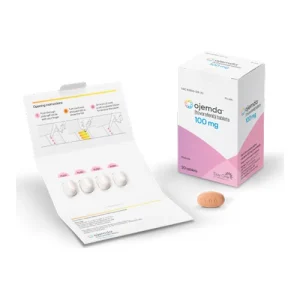
Ojemda 100mg Tablet
Global Shipping : Reliable Global Distribution Network
Express Delivery : Priority Shipping for Every Order
Secure Payments : Trusted Payment Protection System
 Disclaimer

Secure Handling
24/7 Worldwide Support

Global Access
Worldwide Access to Health

Cold-Chain Expert
Excellence in Cold-Chain

Trusted Supply
Certified Medical Supply
Indications & Clinical Uses
- Ojemda tablets (100 mg is the only approved tablet strength - see Precautions for a note on this catalogue's 15 mg listing) contain tovorafenib, a type II RAF/MEK-pathway kinase inhibitor.
- In the United States, Ojemda is indicated for patients 6 months of age and older with relapsed or refractory pediatric-type low-grade glioma (LGG) whose tumour carries a BRAF fusion or rearrangement, or a BRAF V600 mutation, under FDA accelerated approval based on tumour response rate and duration of response.
- The European Union has also granted Ojemda a conditional marketing authorisation, for patients 6 months and older who have progressed after one or more prior systemic therapies; in the EU it is marketed by Ipsen Pharma, while Day One Biopharmaceuticals is the US license holder.
- Ojemda tablets are taken once weekly and are prescribed and monitored only by a paediatric oncology or neuro-oncology specialist.
- An oral suspension form is also available for children who cannot swallow tablets.
Side Effects
- Ojemda commonly causes hair colour changes (about three-quarters of patients), rash, fatigue, viral infection, vomiting, headache, bleeding, fever, dry skin, constipation, nausea, acne-like skin reactions, and upper respiratory infection, each affecting 30% or more of patients in clinical trials.
- There is no boxed warning on the current label.
- More serious effects include hepatotoxicity, with raised liver enzymes in up to three-quarters of patients (occasionally severe), photosensitivity skin reactions in around 1 in 8 patients, and bleeding events, reported in over 40% of patients, which can occasionally be serious.
- Report any yellowing of the skin or eyes, unusual bruising or bleeding, or a severe sunburn-like reaction promptly to the treating specialist.
- Children and adolescents should avoid unprotected sun exposure and use protective clothing and sunscreen throughout treatment, and growth should be checked regularly, as slowed growth has been reported in over 40% of younger patients.
Precautions & Warnings
- Liver function tests should be checked before starting Ojemda and monitored regularly during treatment because of the risk of hepatotoxicity; dose interruption or reduction may be needed if liver enzymes rise significantly.
- Growth should be assessed periodically in children and adolescents, since treatment-related growth effects have been reported, and specialists may pause treatment if growth is affected.
- Sun protection is essential because of the risk of photosensitivity reactions.
- Ojemda may harm a developing baby, so females of reproductive potential should use effective non-hormonal contraception during treatment and for 28 days after the last dose, because tovorafenib can make hormonal contraceptives less effective; males with partners who could become pregnant should use contraception during treatment and for 2 weeks afterward.
- Breastfeeding should be avoided during treatment and for 2 weeks after the last dose.
- There are no contraindications listed on the label, but the tablet and oral suspension are not interchangeable milligram-for-millilitre and must be dosed exactly as prescribed.
Avoid Interactions
- Ojemda tablets are affected by drugs that alter CYP2C8 activity: strong or moderate CYP2C8 inhibitors and inducers should be avoided, as they can raise or lower tovorafenib levels and change its effectiveness or safety.
- Ojemda itself induces CYP3A enzymes and is predicted to reduce blood levels of medicines broken down by CYP3A, causing some combined medicines to work less well; this specifically includes hormonal contraceptives, so a non-hormonal method should be used instead during treatment.
- Tell the treating specialist about every prescription medicine, over-the-counter medicine, herbal product, and supplement being used, including antifungal and antibiotic medicines, since many are CYP2C8 inhibitors or inducers.
- Ojemda tablets should be taken consistently, either always with or always without food, as directed.
- The oral suspension must be measured with the supplied dosing syringe and never mixed with other liquid medicines.
References
Frequently Asked Questions
Ojemda (tovorafenib) tablets treat relapsed or refractory low-grade glioma, a type of childhood brain tumor, in patients aged 6 months and older whose tumor has a BRAF fusion, rearrangement, or V600 mutation. It blocks an overactive cancer-signalling pathway. A pediatric oncology or neuro-oncology specialist manages treatment.
Ojemda tablets are swallowed once a week, on the same day each week, with or without food as your specialist directs. The 100 mg tablets should not be crushed or split, and should stay in the blister pack until just before the dose is taken.
The most common side effects of Ojemda are hair color changes, rash, fatigue, vomiting, headache, bleeding, and fever, each affecting around a third or more of patients. Serious effects include raised liver enzymes, sun-sensitivity skin reactions, and slowed growth in children, so regular liver tests and growth checks are needed.
Avoid strong CYP2C8 inhibitors or inducers, since they change tovorafenib levels in the blood. Ojemda also makes hormonal contraceptives less effective, so use a non-hormonal birth control method instead. Avoid unprotected sun exposure, as Ojemda can cause photosensitivity reactions; use sunscreen and protective clothing.
If a weekly dose is missed by 3 days or less, take it as soon as you remember and continue on your usual weekly schedule. If more than 3 days have passed, skip the missed dose and take the next one on its regular day; never take a double dose.
Yes, Ojemda is approved for children as young as 6 months with the right type of brain tumor. Because tovorafenib can slow growth in children and teens, doctors check growth regularly during treatment and may pause dosing if growth is significantly affected.

Trusted & Reliable – Your Partner in Global Distribution.
We provide comprehensive lines of pharmaceutical products to support all your healthcare distribution needs.


