

TM Owner Novo Nordisk
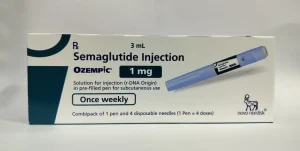
Ozempic 1mg Injection
Global Shipping : Reliable Global Distribution Network
Express Delivery : Priority Shipping for Every Order
Secure Payments : Trusted Payment Protection System
 Disclaimer

Secure Handling
24/7 Worldwide Support

Global Access
Worldwide Access to Health

Cold-Chain Expert
Excellence in Cold-Chain

Trusted Supply
Certified Medical Supply
Indications & Clinical Uses
- Ozempic 1 mg (semaglutide) is a GLP-1 receptor agonist given by weekly subcutaneous injection.
- It is approved, alongside diet and exercise, to improve blood sugar control in adults with type 2 diabetes, and to reduce the risk of major cardiovascular events such as heart attack and stroke in adults with type 2 diabetes and established cardiovascular disease.
- It is not approved for type 1 diabetes or for use in children.
- Ozempic is available as three pen strengths (0.25 mg/0.5 mg, 1 mg and 2 mg pens); the 1 mg pen delivers a fixed 1 mg dose once weekly after an initial dose-escalation period.
- A separate, higher-dose formulation of semaglutide, marketed as Wegovy, is approved for chronic weight management; Ozempic itself is not approved for weight loss alone.
Side Effects
- The most common side effects of Ozempic, affecting 5% or more of users, are nausea, vomiting, diarrhea, abdominal pain, constipation and decreased appetite; these are usually worse when starting treatment or increasing the dose and often ease over time.
- Ozempic carries a boxed warning: in rodent studies semaglutide caused thyroid C-cell tumors, and although this has not been confirmed in humans, Ozempic must not be used by anyone with a personal or family history of medullary thyroid carcinoma or Multiple Endocrine Neoplasia syndrome type 2.
- Seek urgent medical help for a lump or swelling in the neck, hoarseness, difficulty swallowing, severe abdominal pain spreading to the back (possible pancreatitis), or a severe allergic reaction.
- Rotate the injection site between the abdomen, thigh and upper arm to reduce skin reactions.
Precautions & Warnings
- Before starting Ozempic tell your healthcare provider about any history of pancreatitis, diabetic retinopathy, gallbladder disease or kidney problems, since semaglutide has been linked to acute pancreatitis, worsening of diabetic retinopathy in people with pre-existing eye disease, gallstones and, through dehydration from gastrointestinal side effects, acute kidney injury.
- Ozempic is contraindicated in personal or family history of medullary thyroid carcinoma or MEN 2, and is not recommended in severe gastroparesis.
- It should be stopped at least 2 months before a planned pregnancy because of its long duration of action; discuss contraception with your healthcare provider.
- Blood glucose monitoring is advised, especially when combined with insulin or a sulfonylurea, which raises the risk of low blood sugar (hypoglycaemia).
- Ozempic is given by subcutaneous injection only and must never be given intravenously or intramuscularly.
Avoid Interactions
- Ozempic slows stomach emptying, which can affect how quickly other oral medicines are absorbed, so tell your healthcare provider about all medicines you take, particularly oral contraceptives and other drugs that need rapid absorption.
- Combining Ozempic with insulin or a sulfonylurea (such as glipizide or glimepiride) increases the risk of hypoglycaemia, and a dose reduction of these other medicines may be needed.
- There is no clinically significant interaction with warfarin or common oral diabetes tablets, but caution is still advised.
- Avoid unnecessary alcohol, which can worsen blood sugar swings and nausea.
- Always tell your prescriber and pharmacist about all prescription medicines, over-the-counter drugs and supplements you use before starting or adjusting Ozempic.
References
Frequently Asked Questions
Ozempic (semaglutide) is a once-weekly injection for adults with type 2 diabetes. It improves blood sugar control alongside diet and exercise and lowers the risk of heart attack or stroke in people with type 2 diabetes and existing heart disease. It is not approved for type 1 diabetes or weight loss alone.
Ozempic is injected under the skin once a week, on the same day each week, in the abdomen, thigh or upper arm. It can be taken with or without food. Your dose usually starts low and is increased gradually up to the target 1 mg dose.
The most common side effects of Ozempic are nausea, vomiting, diarrhea, constipation and stomach pain, usually easing after the first few weeks. Ozempic carries a boxed warning for thyroid C-cell tumors seen in animal studies, so report any neck lump, hoarseness or trouble swallowing straight away.
Avoid Ozempic if you or your family have had medullary thyroid carcinoma or Multiple Endocrine Neoplasia syndrome type 2. Limit alcohol, which can worsen nausea and blood sugar swings. If you also take insulin or a sulfonylurea, watch for low blood sugar, since the combination raises hypoglycaemia risk.
If it has been less than 5 days since your missed Ozempic dose, take it as soon as you remember. If more than 5 days have passed, skip that dose and inject the next one on your regular scheduled day. Never take two doses to make up for one missed dose.
No. Semaglutide is not recommended in pregnancy, and Ozempic should be stopped at least 2 months before you plan to conceive because it stays in the body a long time. Discuss effective contraception with your healthcare provider, and report any pregnancy right away.

Trusted & Reliable – Your Partner in Global Distribution.
We provide comprehensive lines of pharmaceutical products to support all your healthcare distribution needs.


