

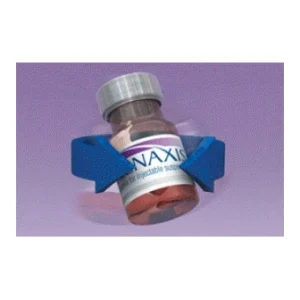
TM Owner Praecis Pharmaceuticals
Plenaxis 113mg Vial
Global Shipping : Reliable Global Distribution Network
Express Delivery : Priority Shipping for Every Order
Secure Payments : Trusted Payment Protection System
 Disclaimer

Secure Handling
24/7 Worldwide Support

Global Access
Worldwide Access to Health

Cold-Chain Expert
Excellence in Cold-Chain

Trusted Supply
Certified Medical Supply
Indications & Clinical Uses
- Plenaxis (abarelix) 113 mg is a gonadotropin-releasing hormone (GnRH) antagonist that is no longer marketed in the United States — it was voluntarily withdrawn by the manufacturer around 2005 due to limited use under its restricted safety program and safety concerns, a commercial discontinuation rather than a formal FDA revocation of its approval.
- When available, Plenaxis was used only for palliative treatment of advanced, symptomatic prostate cancer in men who could not use LHRH-agonist therapy, refused surgical castration, and had specific complications such as risk of spinal cord compression, urinary tract obstruction, or severe bone pain not controlled by narcotics.
- It was given as a single-dose intramuscular injection by a clinician under a restricted distribution program (the Plenaxis PLUS Program) because of its allergic-reaction risk.
- This entry is retained for reference only; abarelix should not be sourced or prescribed as a current treatment, and alternative GnRH agonists or antagonists such as leuprolide, goserelin, or degarelix should be used instead.
Side Effects
- Plenaxis carried a boxed warning for immediate-onset systemic allergic reactions, including anaphylaxis with low blood pressure and fainting (syncope), which could occur after any injection, including the very first dose — patients had to be monitored in the clinic for at least 30 minutes after each injection.
- The most common side effects reflected the drop in testosterone the drug caused and included hot flashes (about 79% of patients), sleep disturbances, breast enlargement and tenderness, back pain, constipation, and swelling (peripheral edema).
- Because it lowers testosterone, Plenaxis could also cause bone thinning with long-term use.
- Any sign of an allergic reaction — difficulty breathing, swelling of the face or throat, dizziness, or fainting — required immediate emergency treatment.
- There is no equivalent supervised monitoring available now that the product is discontinued in the US market.
Precautions & Warnings
- Plenaxis was contraindicated in women and children — it was Pregnancy Category X, meaning it could cause fetal harm — and in anyone with known hypersensitivity to abarelix or carboxymethylcellulose.
- It could only be prescribed by physicians enrolled in the Plenaxis PLUS restricted distribution program, who had to confirm they could manage prostate cancer, recognize and treat anaphylaxis, and keep emergency equipment available, with every patient observed for at least 30 minutes after each injection.
- Caution was advised in patients with a prolonged QT interval, electrolyte disturbances, or those taking other QT-prolonging drugs, and in men with osteoporosis risk factors, given the effect of long-term testosterone suppression on bone density.
- It was given by intramuscular injection only, in a clinic setting, never self-administered.
- Because Plenaxis is discontinued in the United States, patients previously treated with it should discuss an alternative GnRH agonist or antagonist with their oncologist or urologist.
Avoid Interactions
- Because Plenaxis lowers testosterone, it was used with caution alongside other medicines known to prolong the QT interval, such as certain antiarrhythmics, some antipsychotics, and macrolide antibiotics, as well as in patients with electrolyte disturbances such as low potassium or magnesium.
- No major cytochrome P450-based drug interactions were identified in its label, since abarelix is a peptide that is not metabolized through the CYP enzyme system.
- As with other hormone-suppressing prostate cancer treatments, combining Plenaxis with other androgen deprivation therapies was not standard practice and was avoided.
- Patients previously treated with Plenaxis were advised to tell their healthcare provider about all other medicines, including heart-rhythm medicines, since current prescribing now involves transitioning to a different GnRH agonist or antagonist rather than concurrent use with the discontinued product.
References
Frequently Asked Questions
Plenaxis (abarelix) was a GnRH antagonist injection used for advanced, symptomatic prostate cancer in men who could not have LHRH-agonist therapy or surgery. It is no longer marketed in the United States — discontinued by the manufacturer around 2005 — so it is not a current treatment option.
Plenaxis was voluntarily withdrawn from the US market around 2005 due to limited use under its restricted safety program and a higher-than-expected rate of serious allergic reactions. This was a manufacturer's commercial decision, not a formal FDA revocation of the drug's approval.
Plenaxis carried a boxed warning for immediate-onset allergic reactions, including anaphylaxis with low blood pressure and fainting, which could happen after any dose, even the first. Because of this, every patient had to be monitored in the clinic for at least 30 minutes after each injection.
Plenaxis lowered testosterone, causing hot flashes in about 79% of men, along with sleep problems, breast enlargement and tenderness, back pain, constipation, and swelling. Long-term use could also thin the bones. Any breathing trouble, facial swelling, or fainting needed emergency treatment right away.
Plenaxis was given as a single intramuscular injection by a healthcare provider in a clinic, never self-injected at home. Because of the anaphylaxis risk, only physicians enrolled in the restricted Plenaxis PLUS Program could prescribe it, and patients had to stay for 30 minutes of observation afterward.
Since Plenaxis (abarelix) is discontinued, patients now use other GnRH agonists or antagonists, such as leuprolide, goserelin, or degarelix, for the same hormone-suppression goal in advanced prostate cancer. Your oncologist or urologist can advise on the best current alternative for your situation.

Trusted & Reliable – Your Partner in Global Distribution.
We provide comprehensive lines of pharmaceutical products to support all your healthcare distribution needs.


