

TM Owner Janssen
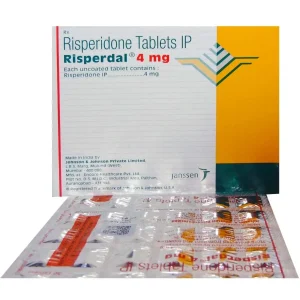
Risperdal 4mg Tablet
Global Shipping : Reliable Global Distribution Network
Express Delivery : Priority Shipping for Every Order
Secure Payments : Trusted Payment Protection System
 Disclaimer

Secure Handling
24/7 Worldwide Support

Global Access
Worldwide Access to Health

Cold-Chain Expert
Excellence in Cold-Chain

Trusted Supply
Certified Medical Supply
Indications & Clinical Uses
- Risperdal 4 mg tablets contain risperidone, an atypical (second-generation) antipsychotic made by Janssen.
- It is approved for the treatment of schizophrenia in adults and adolescents aged 13 to 17 years, for acute manic or mixed episodes of bipolar I disorder in adults and, as monotherapy, in children and adolescents aged 10 to 17 years, and for irritability associated with autistic disorder, including aggression, self-injury and tantrums, in children and adolescents aged 5 to 16 years.
- European labelling covers broadly the same populations.
- Risperdal is not approved for behavioural problems in elderly patients with dementia.
- The 4 mg tablet is one of several strengths used to individualise dosing; risperidone is also available as an oral solution, an orally disintegrating tablet (Risperdal M-Tab), and as a long-acting injection (Risperdal Consta) given by a healthcare provider.
- Tablets are taken by mouth at home once daily unless a different schedule is prescribed.
Side Effects
- Very common reactions, affecting more than 1 in 10 people, include somnolence (sleepiness), increased appetite, fatigue and headache; common reactions include weight gain, upper respiratory infection, dizziness, dry mouth, nausea, constipation, tremor, akathisia (restlessness) and rash.
- Risperdal carries a boxed warning: elderly patients with dementia-related psychosis treated with antipsychotic drugs, including risperidone, are at increased risk of death, mostly from cardiac or infectious causes; Risperdal is not approved for this use.
- Report urgently any high fever, severe muscle stiffness, confusion or irregular heartbeat, which can signal neuroleptic malignant syndrome, and any unusual, uncontrollable movements of the face or body, which may indicate tardive dyskinesia.
- Seek prompt medical advice for fainting, marked drowsiness, or signs of high blood sugar such as increased thirst or urination.
Precautions & Warnings
- Risperdal is not approved for elderly patients with dementia-related psychosis because of the increased risk of death; use in this group only if no alternative exists and with close monitoring.
- Monitor for neuroleptic malignant syndrome, tardive dyskinesia, and metabolic changes including weight gain, high blood sugar and abnormal lipids, particularly with long-term use.
- Risperidone can cause low blood pressure on standing, especially at the start of treatment or after a dose increase, so rise slowly from sitting or lying; it can also raise prolactin levels, affecting menstruation, fertility or breast tissue.
- Use caution in Parkinson's disease, seizure disorders, cardiovascular disease, and hepatic or renal impairment, where a lower starting dose is used.
- Risperidone may cause drowsiness and impair the ability to drive or operate machinery; avoid these tasks until you know how it affects you.
- Discuss pregnancy and breastfeeding plans with your healthcare provider before starting.
Avoid Interactions
- Tell your healthcare provider about all other medicines, alcohol use and supplements before taking Risperdal.
- CNS depressants, including alcohol, sedatives, opioids and benzodiazepines, increase drowsiness and sedation when combined with risperidone.
- Strong CYP2D6 inhibitors such as fluoxetine and paroxetine raise risperidone blood levels and may require a lower dose; strong CYP3A4 inducers such as carbamazepine or rifampicin can lower risperidone levels and reduce its effect.
- Combining Risperdal with other drugs that prolong the QT interval, or with medicines that lower blood pressure, increases the risk of an irregular heartbeat or fainting.
- Dopamine agonists used for Parkinson's disease may be less effective when taken with risperidone.
- Avoid or use levodopa-containing medicines with caution.
References
Frequently Asked Questions
Risperdal (risperidone) is an antipsychotic tablet used for schizophrenia in adults and teens 13 and older, manic or mixed episodes of bipolar I disorder, and irritability linked to autism in children aged 5 to 16. It is not approved for dementia-related behaviour problems in older adults.
Risperdal tablets are swallowed whole, usually once daily, with or without food, at a dose your healthcare provider sets and may adjust gradually. Risperidone also comes as an oral solution and a fast-dissolving tablet for people who have trouble swallowing pills.
Common Risperdal side effects include sleepiness, increased appetite, weight gain, dizziness and tremor. Risperdal has a boxed warning: elderly patients with dementia-related psychosis have a higher risk of death when given antipsychotics like risperidone, so it is not used for this purpose.
Avoid alcohol and other sedating medicines with Risperdal, as combined drowsiness can be dangerous. Limit activities needing full alertness, such as driving, until you know how risperidone affects you. Tell your prescriber about antidepressants like fluoxetine, which can raise risperidone levels.
Take a missed Risperdal dose as soon as you remember, unless it is close to the next scheduled dose, in which case skip it and continue as normal. Do not double the dose. Store tablets at room temperature, away from light and moisture, out of children's reach.
Risperdal can raise prolactin, a hormone that may cause missed periods, breast milk production or breast tenderness in some patients, and reduced libido or fertility. Tell your healthcare provider if these occur, as a dose change or switch may help; discuss any pregnancy plans beforehand.

Trusted & Reliable – Your Partner in Global Distribution.
We provide comprehensive lines of pharmaceutical products to support all your healthcare distribution needs.


