

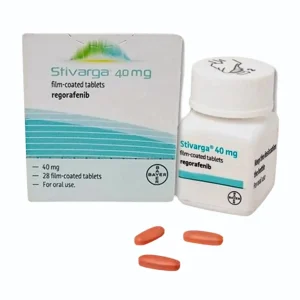
TM Owner Bayer
Stivarga 40mg Tablet
Global Shipping : Reliable Global Distribution Network
Express Delivery : Priority Shipping for Every Order
Secure Payments : Trusted Payment Protection System
 Disclaimer

Secure Handling
24/7 Worldwide Support

Global Access
Worldwide Access to Health

Cold-Chain Expert
Excellence in Cold-Chain

Trusted Supply
Certified Medical Supply
Indications & Clinical Uses
- Stivarga 40 mg tablets contain regorafenib, an oral multi-kinase inhibitor made by Bayer that blocks several proteins involved in tumour growth and blood vessel formation.
- Stivarga is indicated in adults for metastatic colorectal cancer previously treated with fluoropyrimidine-, oxaliplatin- and irinotecan-based chemotherapy and anti-VEGF and anti-EGFR therapy; for locally advanced, unresectable or metastatic gastrointestinal stromal tumours (GIST) previously treated with imatinib and sunitinib; and for hepatocellular carcinoma previously treated with sorafenib.
- The standard dose is 160 mg (four 40 mg tablets) taken once daily for the first 21 days of each 28-day cycle, with a low-fat meal.
- It is prescribed by a cancer specialist but taken by the patient at home.
Side Effects
- Stivarga carries a boxed warning for hepatotoxicity: severe and sometimes fatal liver injury has occurred in clinical trials, so liver function tests are required before treatment and regularly during it, with dose interruption, reduction or stopping depending on severity.
- Very common side effects (occurring in 20% or more of patients) include hand-foot skin reaction affecting over half of patients, fatigue, diarrhoea, decreased appetite, high blood pressure, mouth soreness, weight loss, rash and nausea.
- Serious reactions to watch for include unusual bleeding, sudden severe abdominal pain (possible bowel perforation), and a sharp rise in blood pressure.
- Seek urgent medical help for yellowing skin or eyes, dark urine, unexplained bleeding, or severe abdominal pain.
Precautions & Warnings
- Because of the risk of severe liver injury, your healthcare provider will check liver function before starting Stivarga and at least every two weeks for the first two months, then monthly; treatment is interrupted or stopped for significant liver enzyme rises.
- Blood pressure should be monitored weekly for the first six weeks, since hypertension, including rare hypertensive crises, can occur.
- Stivarga should be stopped at least two weeks before elective surgery because it can impair wound healing, and restarted only once healing is adequate.
- Report unusual bleeding or signs of a bowel perforation, such as sudden severe abdominal pain, immediately.
- Stivarga can harm an unborn baby, so effective contraception is needed during treatment and for a period afterwards; discuss pregnancy planning and breastfeeding with your provider.
Avoid Interactions
- Avoid taking Stivarga with strong inhibitors of the CYP3A4 liver enzyme, such as clarithromycin, ketoconazole, itraconazole, voriconazole and grapefruit juice, as these can raise regorafenib levels and increase toxicity.
- Also avoid strong CYP3A4 inducers, including rifampin, phenytoin, carbamazepine, phenobarbital and St John's Wort, since these lower regorafenib levels and may reduce its effect.
- If you take warfarin, tell your provider, as Stivarga can increase warfarin levels and INR monitoring should be more frequent.
- Always tell your healthcare provider and pharmacist about every prescription medicine, over-the-counter product, herbal remedy and supplement you use before and during Stivarga treatment.
References
Frequently Asked Questions
Stivarga (regorafenib) treats adults with metastatic colorectal cancer, advanced gastrointestinal stromal tumours (GIST), or hepatocellular carcinoma (liver cancer) after other specific cancer treatments have already been tried. It works by blocking enzymes that tumours need to grow and form new blood vessels.
Take Stivarga as four 40 mg tablets (160 mg total) once daily with a low-fat meal, for 21 days followed by 7 days off, repeating this 28-day cycle as directed. Swallow tablets whole with water at about the same time each day.
Stivarga commonly causes hand-foot skin reaction, fatigue, diarrhoea, reduced appetite and high blood pressure. It carries a boxed warning for severe, sometimes fatal liver injury, so blood tests for liver function are required regularly. Report yellowing skin, dark urine or unusual bleeding urgently.
Avoid grapefruit juice and strong CYP3A4-affecting drugs, such as ketoconazole, clarithromycin, rifampin and St John's Wort, as they change regorafenib levels in the blood. Tell your provider before any surgery, since Stivarga must be stopped beforehand to protect wound healing.
If you miss a Stivarga dose, skip it and take your next dose at the usual time the next day; do not take two doses together. Keep taking it only on the scheduled 21-days-on, 7-days-off cycle, and contact your healthcare provider if you are unsure about timing.
Stivarga carries a boxed warning for hepatotoxicity: it can cause severe, sometimes fatal liver damage. Your healthcare provider will test your liver function before starting and regularly during treatment, and may pause, lower or stop the dose if liver enzymes rise significantly.

Trusted & Reliable – Your Partner in Global Distribution.
We provide comprehensive lines of pharmaceutical products to support all your healthcare distribution needs.


