

TM Owner Jerome Stevens Pharmaceuticals
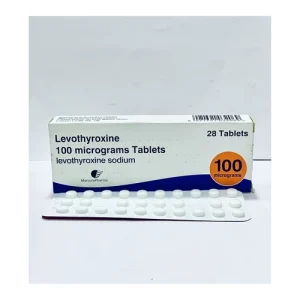
Unithroid 100mcg Tablet
Global Shipping : Reliable Global Distribution Network
Express Delivery : Priority Shipping for Every Order
Secure Payments : Trusted Payment Protection System
 Disclaimer

Secure Handling
24/7 Worldwide Support

Global Access
Worldwide Access to Health

Cold-Chain Expert
Excellence in Cold-Chain

Trusted Supply
Certified Medical Supply
Indications & Clinical Uses
- Unithroid (levothyroxine sodium) is a synthetic thyroid hormone (T4) indicated for the treatment of hypothyroidism (low thyroid hormone) in adults and children of all ages.
- Levothyroxine is also used for thyroid cancer suppression therapy to inhibit thyroid-stimulating hormone (TSH) in patients with thyroid cancer, and for myxoedema coma.
- The tablet formulation (100 mcg in this TSV entry) is the most common maintenance dose, though doses range from 25 mcg to 300 mcg or more depending on individual thyroid requirements, body weight, age, and concomitant medications.
- Unithroid is taken once daily by mouth on an empty stomach, 30–60 minutes before breakfast, to ensure optimal absorption.
- Bioavailability and efficacy depend critically on consistent formulation and timing of administration.
Side Effects
- Side effects are generally dose-dependent and reflect thyroid hormone excess (hyperthyroidism).
- Common effects at higher doses include tachycardia (increased heart rate), palpitations, tremor, anxiety, irritability, insomnia, heat intolerance, and increased sweating.
- Gastrointestinal effects include diarrhoea and nausea.
- Weight loss and muscle weakness may occur.
- In elderly patients and those with cardiac disease, overdosing increases risk of atrial fibrillation, angina, and myocardial infarction.
- Headache, leg cramps, and hair loss (temporary) have been reported.
- Symptoms of overdose include severe tachycardia, chest pain, shortness of breath, and thyroid crisis.
- Most side effects resolve upon dose adjustment.
- Allergic reactions are rare.
Precautions & Warnings
- Unithroid is contraindicated in untreated thyroid cancer and in patients with hypersensitivity to levothyroxine.
- Use with extreme caution in patients with cardiac disease, atrial fibrillation, angina pectoris, hypertension, or history of myocardial infarction; over-replacement increases cardiac events and sudden cardiac death.
- Take on an empty stomach, 30–60 minutes before food, to ensure absorption; separate from calcium, iron, antacids, and other interfering substances by at least 4 hours.
- TSH monitoring is essential to establish and maintain appropriate dosing; periodic blood tests (TSH, free T4) are required.
- Pregnancy: levothyroxine is safe and necessary in pregnancy; dose requirements often increase.
- Fertility is not affected.
- Breastfeeding: levothyroxine is safe; minimal amounts pass into breast milk.
- Monitor neonatal TSH screening.
Avoid Interactions
- Calcium, iron, magnesium, and zinc supplements decrease levothyroxine absorption; separate doses by at least 4 hours.
- Proton pump inhibitors and H2-receptor antagonists reduce absorption; take levothyroxine 2 hours before these medications.
- Antacids containing aluminium or magnesium also reduce absorption.
- Phenytoin and carbamazepine increase levothyroxine metabolism and may require dose increase.
- Amiodarone contains high iodine content and can cause hypothyroidism or hyperthyroidism; careful TSH monitoring is required.
- Warfarin efficacy is increased by levothyroxine; monitor INR closely.
- Beta-blockers may mask symptoms of hyperthyroidism from over-replacement.
- Oestrogen replacement therapy increases levothyroxine requirements.
- Inform all healthcare providers of levothyroxine use.
References
Frequently Asked Questions
Unithroid (levothyroxine sodium 100 mcg) is a synthetic thyroid hormone used to treat hypothyroidism (underactive thyroid). One daily tablet replaces the hormone your thyroid cannot produce, helping restore normal metabolism, energy, and heart rate. Unithroid is also used to suppress thyroid hormone in thyroid cancer patients. Take it on an empty stomach for best absorption.
Take one Unithroid tablet once daily, 30–60 minutes before breakfast on an empty stomach with a glass of water. Consistent timing ensures steady hormone levels. Do not take with food, calcium, iron supplements, or antacids, as these reduce absorption. If you forget a dose, take it as soon as you remember, but do not take two doses on the same day.
Side effects usually mean the dose is too high and reflect overactive thyroid symptoms: rapid heartbeat, palpitations, tremor, anxiety, insomnia, heat intolerance, weight loss, and diarrhoea. These resolve when your doctor adjusts your dose downward. Serious effects in overdose include chest pain and atrial fibrillation. Report sustained palpitations, severe tremor, or chest pain to your doctor immediately.
Take Unithroid alone on an empty stomach, 30–60 minutes before food. Separate it by 4 hours from calcium, iron, magnesium, zinc, antacids, and some acid-reducing medicines. Tell your doctor if you take amiodarone, warfarin, beta-blockers, or hormone therapy, as they interact. Do not stop Unithroid suddenly; your doctor will adjust doses gradually if needed.
Yes. Your doctor will order blood tests (TSH and free T4) regularly to ensure your dose is correct. Tests are usually done 6–8 weeks after starting or changing dose, then annually once stable. Dose changes in pregnancy, menopause, aging, kidney disease, or when starting new medications also require TSH checks. Consistent monitoring is essential for safe and effective treatment.
Yes, Unithroid is safe during pregnancy and is necessary for maternal and fetal health. Pregnancy often increases levothyroxine requirements; your doctor will monitor TSH and adjust your dose accordingly. Breastfeeding is safe—minimal levothyroxine passes into breast milk. Newborn thyroid screening includes TSH testing. Discuss any dose changes with your obstetric team.

Trusted & Reliable – Your Partner in Global Distribution.
We provide comprehensive lines of pharmaceutical products to support all your healthcare distribution needs.


