

TM Owner Upsher-Smith Laboratories, LLC
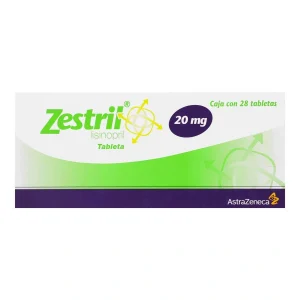
Zestril 20mg Tablet
Global Shipping : Reliable Global Distribution Network
Express Delivery : Priority Shipping for Every Order
Secure Payments : Trusted Payment Protection System
 Disclaimer

Secure Handling
24/7 Worldwide Support

Global Access
Worldwide Access to Health

Cold-Chain Expert
Excellence in Cold-Chain

Trusted Supply
Certified Medical Supply
Indications & Clinical Uses
- Zestril 20 mg tablets contain lisinopril, an angiotensin-converting enzyme (ACE) inhibitor.
- In the US label it is approved to treat high blood pressure (hypertension) in adults and children aged 6 years and older, as add-on treatment in heart failure with reduced pumping function (systolic dysfunction), and to improve survival after an acute heart attack (acute myocardial infarction).
- Zestril is the originator brand of lisinopril, first approved in the United States in 1988, and it is taken by mouth as a tablet.
- The brand is made in strengths from 2.5 mg to 40 mg, so check that the 20 mg tablet is the strength your healthcare provider prescribed.
- Approved uses and age limits can differ between countries, so follow the product information supplied with your medicine.
Side Effects
- In clinical trials the most common side effects of lisinopril were headache (about 4 in 100 people with high blood pressure), dizziness (about 3.5 in 100) and cough (about 2.5 in 100), usually a dry, persistent cough.
- In heart failure, low blood pressure (3.8%) and chest pain (2.1%) were reported, and low blood pressure was more frequent after a heart attack.
- Serious reactions include angioedema (swelling of the face, lips, tongue, throat or limbs that can make breathing difficult), marked low blood pressure, raised blood potassium, worsening kidney function and liver problems such as yellow skin or eyes.
- BOXED WARNING: Zestril carries a boxed warning for fetal toxicity.
- Medicines that act directly on the renin-angiotensin system can cause injury and death to the developing baby, so it must be stopped as soon as pregnancy is detected.
- Seek urgent help for swelling of the face or throat or trouble breathing.
Precautions & Warnings
- Do not use Zestril if you have ever had angioedema, including hereditary or idiopathic angioedema or angioedema linked to an ACE inhibitor, or if you are allergic to ACE inhibitors.
- It must not be combined with aliskiren in people with diabetes or with neprilysin inhibitors such as sacubitril.
- It is contraindicated in the second and third trimesters of pregnancy and should be stopped as soon as pregnancy is detected because of the risk of low amniotic fluid, fetal kidney problems and neonatal death; tell your provider if you plan to become pregnant.
- Kidney function and blood potassium should be monitored, and the starting dose is reduced when creatinine clearance is 30 mL/min or below (2.5 mg if below 10 mL/min or on dialysis).
- Blood pressure may fall too far in people with heart or kidney disease.
- Report yellow skin or eyes, which can signal liver failure.
- Store at 20 to 25 degrees C, protected from moisture, freezing and excess heat.
Avoid Interactions
- Medicines that can increase the effect or toxicity of Zestril: diuretics (water tablets), which may cause an excessive fall in blood pressure; other renin-angiotensin blockers such as ARBs, other ACE inhibitors and aliskiren, which raise the risk of low blood pressure, high potassium and kidney failure; lithium, which may reach toxic levels; injectable gold, which has caused flushing and nausea reactions; diabetes medicines, which can increase the risk of low blood sugar; and mTOR inhibitors or neprilysin inhibitors such as sacubitril, which raise the risk of angioedema.
- Medicines that can reduce its effect: non-steroidal anti-inflammatory drugs (NSAIDs), which can blunt the blood pressure-lowering action and increase kidney risk.
- Tell your healthcare provider and pharmacist about every prescription medicine, over-the-counter medicine and supplement you use.
References
Frequently Asked Questions
Zestril (lisinopril) is an ACE inhibitor tablet that treats high blood pressure in adults and children aged 6 years and older. It is also used with other medicines in heart failure and to improve survival after a heart attack. Your healthcare provider chooses the dose that suits your condition.
Zestril (lisinopril) is taken by mouth as a tablet, usually once a day. For high blood pressure without a diuretic, the usual starting dose is 10 mg daily, with a usual range of 20 to 40 mg a day. Your provider sets your dose, which is lower if your kidneys are impaired.
The most common Zestril (lisinopril) side effects are headache, dizziness and a dry cough, plus low blood pressure in heart failure or after a heart attack. Get urgent help for swelling of the face, lips, tongue or throat, which may be angioedema. Report yellow skin or eyes promptly.
Avoid Zestril (lisinopril) in pregnancy, and never combine it with sacubitril or, if you have diabetes, aliskiren. Tell your provider before using NSAIDs, water tablets (diuretics), lithium or other blood pressure medicines such as ARBs, because they can change blood pressure, potassium or kidney function.
Your provider monitors kidney function and blood potassium while you take Zestril (lisinopril), especially if you have kidney disease, diabetes or heart failure. Tell your provider about yellow skin or eyes, which can signal liver problems and need prompt checking.
No. Zestril (lisinopril) has a boxed warning: drugs acting on the renin-angiotensin system can injure or kill a developing baby. It is contraindicated in the second and third trimesters and should be stopped as soon as possible when pregnancy is detected, so tell your provider immediately.

Trusted & Reliable – Your Partner in Global Distribution.
We provide comprehensive lines of pharmaceutical products to support all your healthcare distribution needs.


