

TM Owner Beach Pharmaceuticals
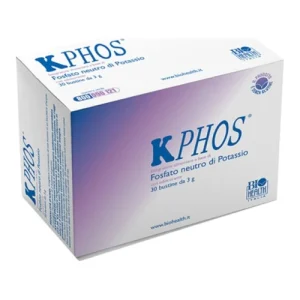
K-Phos Neutral 250mg Tablet
Global Shipping : Reliable Global Distribution Network
Express Delivery : Priority Shipping for Every Order
Secure Payments : Trusted Payment Protection System
 Disclaimer

Secure Handling
24/7 Worldwide Support

Global Access
Worldwide Access to Health

Cold-Chain Expert
Excellence in Cold-Chain

Trusted Supply
Certified Medical Supply
Indications & Clinical Uses
- K-Phos Neutral is an oral phosphorus supplement and urinary acidifier.
- Each tablet contains 852 mg of anhydrous dibasic sodium phosphate, 155 mg of monobasic potassium phosphate and 130 mg of monobasic sodium phosphate monohydrate, supplying about 250 mg of elemental phosphorus, 298 mg (13.0 mEq) of sodium and 45 mg (1.1 mEq) of potassium.
- That is roughly 25 percent of the US recommended daily allowance of phosphorus for adults and children over four years.
- It increases urinary phosphate and pyrophosphate, and is used to raise phosphorus intake and to make the urine more acidic.
- Adults usually take one or two tablets four times daily; children over four years take one tablet four times daily, each dose with a full glass of water, with meals and at bedtime.
- Despite the name, the potassium content is deliberately low compared with potassium-only phosphate products.
Side Effects
- The commonest effects are gastrointestinal: diarrhoea, loose stools, nausea and stomach upset, which are less likely when each dose is taken with food and a full glass of water.
- Headache, joint pain, muscle weakness, tiredness, increased thirst and tingling can also occur.
- The label carries no boxed warning.
- Too much phosphate lowers blood calcium, so tell your healthcare provider at once about numbness or tingling around the mouth or in the hands and feet, muscle cramps or twitching, or painful spasms, which can signal tetany.
- Rising potassium can cause confusion, unusual weakness or heaviness in the legs and an irregular or slow heartbeat, and the large sodium load can cause ankle swelling, sudden weight gain or breathlessness.
- Seek urgent help for chest pain, fainting or a markedly irregular pulse.
Precautions & Warnings
- K-Phos Neutral is contraindicated in people with severely impaired kidney function, defined on the label as less than 30 percent of normal, and in anyone who already has high blood phosphate.
- Use it with caution if you have heart disease, any degree of kidney impairment, or are on a sodium-restricted or potassium-restricted diet, because each tablet adds 13.0 mEq of sodium and 1.1 mEq of potassium.
- Your healthcare provider should check kidney function and serum phosphate, calcium, potassium and sodium periodically while you take it.
- Do not give it to children under four years old unless a healthcare provider directs it.
- Take every dose with a full glass of water to reduce stomach upset, keep the container tightly closed, and store the tablets at controlled room temperature, 20°C to 25°C.
- Tell your provider if you become dehydrated or unwell.
Avoid Interactions
- Antacids and other products containing aluminium, magnesium or calcium bind phosphate in the gut and stop K-Phos Neutral being absorbed, so avoid taking them at the same time; calcium and vitamin D supplements should only be used on medical advice for the same reason.
- The risk of dangerously high potassium rises if you also take potassium-sparing diuretics, potassium supplements or salt substitutes containing potassium, and this combination needs medical supervision.
- Corticosteroids and some blood pressure medicines taken alongside the tablets can push sodium levels up and cause fluid retention.
- Tell your prescriber and pharmacist about every prescription medicine, over-the-counter product, vitamin and herbal supplement you take, and keep taking the doses spaced through the day with meals and at bedtime rather than all at once.
References
Frequently Asked Questions
K-Phos Neutral is an oral phosphorus supplement and urinary acidifier. Each tablet gives about 250 mg of elemental phosphorus from sodium and potassium phosphate salts, roughly a quarter of the daily requirement, and it raises urinary phosphate and pyrophosphate. It is used when dietary phosphorus is too low or urine needs to be more acidic.
Adults take one or two K-Phos Neutral tablets four times a day; children over four years take one tablet four times a day. Take each dose with a full glass of water, with meals and at bedtime. Spacing doses through the day and taking them with food reduces diarrhoea and stomach upset.
Diarrhoea, nausea and stomach upset are the most common effects of K-Phos Neutral. Headache, joint pain, muscle weakness, thirst and tingling can also occur. Report numbness around the mouth, muscle cramps or spasms, confusion, leg heaviness or an irregular heartbeat at once, as these suggest low calcium or high potassium.
Avoid antacids or supplements containing aluminium, magnesium or calcium at the same time, because they bind the phosphate and block absorption. Do not take potassium-sparing diuretics, potassium supplements or potassium-based salt substitutes without medical supervision, as potassium can rise dangerously. Check before using calcium or vitamin D supplements.
K-Phos Neutral must not be taken by anyone with severely impaired kidney function, below about 30 percent of normal, or with already high blood phosphate, because phosphate and potassium can build up. Use caution with heart disease or on a low-sodium diet: each tablet adds 13.0 mEq sodium and 1.1 mEq potassium.
Your healthcare provider should check kidney function and serum phosphate, calcium, potassium and sodium periodically while you take K-Phos Neutral. Testing matters most if you have kidney or heart disease. Store the tablets tightly closed at 20°C to 25°C, and do not give them to children under four without medical advice.

Trusted & Reliable – Your Partner in Global Distribution.
We provide comprehensive lines of pharmaceutical products to support all your healthcare distribution needs.


