

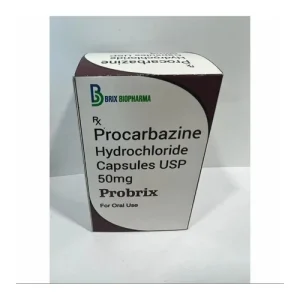
TM Owner Generic
PCV Various Capsule+Capsule+Vial
Global Shipping : Reliable Global Distribution Network
Express Delivery : Priority Shipping for Every Order
Secure Payments : Trusted Payment Protection System
 Disclaimer

Secure Handling
24/7 Worldwide Support

Global Access
Worldwide Access to Health

Cold-Chain Expert
Excellence in Cold-Chain

Trusted Supply
Certified Medical Supply
Indications & Clinical Uses
- PCV is not a single fixed-dose product but a chemotherapy regimen kit combining three generic cytotoxic drugs given together in cycles: procarbazine (Matulane) capsules, taken orally on a course of days each cycle; lomustine, also called CCNU (Gleostine), a single oral capsule dose given once every cycle; and vincristine sulfate, given as an intravenous injection by a healthcare professional.
- The individual drugs are approved for use in combination chemotherapy for Hodgkin lymphoma, and the three-drug PCV combination is widely used, based on published clinical trial evidence, for certain brain tumours in adults, particularly anaplastic oligodendroglioma and related gliomas, usually after surgery and sometimes alongside radiotherapy.
- Because PCV combines drugs with very different storage, handling and administration requirements, each component must be identified and given exactly as prescribed; PCV is prescribed, dispensed and administered only under the direct supervision of a cancer specialist.
Side Effects
- Vincristine, the injectable component of PCV, carries a boxed warning: it is for intravenous use only and is fatal if given by any other route, especially into the spinal fluid (intrathecal), so it must be clearly labelled and handled with extreme care to prevent a fatal mix-up with other injections.
- Lomustine (the oral CCNU capsule) causes delayed, cumulative bone marrow suppression that can appear four to six weeks after a dose, so blood counts are checked weekly for at least six weeks after each dose.
- Very common effects across the regimen include nausea and vomiting, appetite loss, low white cell, red cell and platelet counts, numbness or tingling in the hands and feet, constipation, hair loss and tiredness.
- Report fever, signs of infection, unusual bleeding or bruising, severe constipation, or new numbness or weakness urgently to the treating team.
Precautions & Warnings
- Blood counts must be checked before each cycle and, because of lomustine's delayed marrow toxicity, weekly for at least six weeks after each dose; the next cycle is not given until counts have recovered.
- Procarbazine has weak monoamine oxidase inhibitor (MAOI) activity, so alcohol must be avoided (it can cause a disulfiram-like flushing reaction) and adequate bone marrow reserve is required before starting.
- Vincristine must be given by intravenous injection only, under direct medical supervision, and must never be given intrathecally; hospitals use dedicated safety procedures to prevent this fatal error.
- All three drugs can harm an unborn baby, so PCV must not be used in pregnancy, and effective contraception is required during and after treatment for both women and men; breastfeeding should be stopped during treatment.
- Existing nerve problems, liver or kidney impairment, and prior chemotherapy history should be reviewed before each cycle.
Avoid Interactions
- Procarbazine has MAOI-like activity, so tyramine-rich foods such as aged cheese, cured meats and some wines, and sympathomimetic drugs, tricyclic antidepressants and other MAOIs, must be avoided because of the risk of a dangerous rise in blood pressure; alcohol must also be avoided because of a disulfiram-like reaction.
- Other medicines that suppress the bone marrow, or that also cause nerve damage (such as other neurotoxic chemotherapy drugs), can add to the toxicity of vincristine and lomustine and need careful coordination by the oncology team.
- Strong CYP3A4 inhibitors or inducers can alter vincristine levels and toxicity.
- Live vaccines should be avoided during and for a period after PCV chemotherapy because the weakened immune system increases the risk from the vaccine itself.
- Tell the treating team about every other medicine, herbal product and supplement being taken, since interactions can affect any of the three components differently.
References
Frequently Asked Questions
PCV combines procarbazine, lomustine (CCNU) and vincristine, three generic chemotherapy drugs given together in cycles for certain brain tumours in adults, especially anaplastic oligodendroglioma, and the individual drugs are also used in other combination regimens for treating Hodgkin lymphoma in adults.
In each PCV cycle, lomustine and procarbazine capsules are taken by mouth on set days, while vincristine is given as an intravenous injection by a healthcare professional in the clinic. Your oncology team sets the exact schedule and cycle length for you.
PCV commonly causes nausea, low blood counts, numbness or tingling, constipation, hair loss and tiredness. Vincristine has a boxed warning: it is fatal if given by any route other than intravenous, especially by injection into the spinal fluid, or intrathecally.
Avoid alcohol and tyramine-rich foods like aged cheese and cured meats, since procarbazine can cause a dangerous reaction with these. Avoid live vaccines during treatment, and always tell your care team about every other medicine and supplement you regularly take.
Blood counts are checked before every PCV cycle and weekly for at least six weeks after each lomustine dose, because its effect on bone marrow is delayed by several weeks. The next planned cycle is postponed if counts have not fully recovered.
No, never. Vincristine must only be given into a vein; giving it into the spinal fluid (intrathecally) is fatal. This is the single most important safety warning for PCV, and hospitals use strict labelling checks and procedures to prevent this error.

Trusted & Reliable – Your Partner in Global Distribution.
We provide comprehensive lines of pharmaceutical products to support all your healthcare distribution needs.


