

TM Owner Aspen Pharmacare
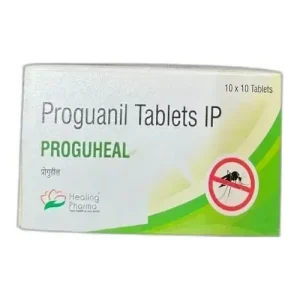
Proguanil (Aspen) 100 mg Tablet
Global Shipping : Reliable Global Distribution Network
Express Delivery : Priority Shipping for Every Order
Secure Payments : Trusted Payment Protection System
 Disclaimer

Secure Handling
24/7 Worldwide Support

Global Access
Worldwide Access to Health

Cold-Chain Expert
Excellence in Cold-Chain

Trusted Supply
Certified Medical Supply
Indications & Clinical Uses
- Proguanil (Aspen) 100 mg tablets contain proguanil hydrochloride, an antimalarial biguanide that is converted in the body to its active form, cycloguanil, which blocks a parasite enzyme (dihydrofolate reductase) the malaria parasite needs to multiply.
- Proguanil alone is used for the prevention (prophylaxis) of malaria, most often combined with chloroquine in regions where chloroquine resistance is not widespread.
- A monotherapy proguanil label specific to the Aspen brand or to the US/EU regulators could not be located in this task; this content is based on the proguanil component of the atovaquone-proguanil combination label (marketed as Malarone), which is the closest verifiable primary source for this molecule.
- Proguanil is not the same as the atovaquone-proguanil combination and does not by itself treat active malaria infection; it should be started before travel and continued for the period specified on the local package insert.
Side Effects
- In prophylaxis regimens containing proguanil (data drawn from the proguanil-containing combination label), reported reactions include diarrhea, mouth ulcers, headache, and vivid dreams; gastrointestinal upset such as nausea, abdominal discomfort, or loss of appetite has also been described with proguanil-based regimens.
- No boxed warning was identified for proguanil in the sources reviewed in this task.
- Tell your healthcare provider if you develop a skin rash, mouth ulcers that do not heal, unusual bruising, or signs of a serious allergic reaction such as facial swelling or difficulty breathing, and seek urgent care for any fever occurring during or after travel to a malaria area, since this can signal breakthrough malaria rather than a side effect.
Precautions & Warnings
- Proguanil requires dose adjustment or avoidance in people with significant kidney impairment, since it is cleared by the kidneys and can accumulate; your prescriber may ask about kidney function before you start.
- It should not be relied upon as the sole prophylactic agent in areas of high chloroquine or antifolate resistance and is normally paired with chloroquine or given as an atovaquone-proguanil combination in those settings - follow the specific regimen your travel health provider prescribes.
- Folate status should be considered in pregnancy, as proguanil is an antifolate; use in pregnancy or while breastfeeding should be discussed with a healthcare provider, who will weigh the risk of malaria against the medicine's antifolate effect.
- As with all malaria chemoprophylaxis, tablets do not replace bite-avoidance measures such as insect repellent, nets, and appropriate clothing.
Avoid Interactions
- Because proguanil interferes with folate metabolism, other antifolate drugs (such as trimethoprim, methotrexate, or sulfonamide antibiotics) may add to the risk of folate-related side effects and should only be combined under medical supervision.
- As with related antimalarial regimens, taking proguanil with food or a milky drink can help reduce stomach upset and support absorption.
- Rifampin and rifabutin can lower blood levels of antimalarial biguanide/atovaquone combinations and should be avoided or discussed with your prescriber if you are taking them.
- Always tell your healthcare provider and pharmacist about all other medicines, herbal products, and supplements you take, and about any planned vaccinations, before starting malaria prophylaxis.
References
Frequently Asked Questions
Proguanil is an antimalarial tablet used to help prevent malaria, usually alongside chloroquine, when traveling to an at-risk area. It blocks an enzyme the malaria parasite needs to grow, but it does not treat malaria you already have.
Proguanil 100 mg tablets are swallowed once daily, generally with food or a milky drink to reduce stomach upset, starting before travel and continuing for the full course your prescriber or travel clinic advises.
The most commonly reported effects with proguanil-based regimens are diarrhea, mouth ulcers, headache, and vivid dreams. Stomach upset can also occur. Tell your provider about a rash, non-healing mouth ulcers, or signs of allergic reaction.
Avoid other antifolate medicines like trimethoprim or methotrexate unless your doctor approves, since they can add to proguanil's effects. Do not rely on tablets alone; keep using insect repellent, nets, and protective clothing.
Proguanil is cleared through the kidneys, so people with significant kidney impairment may need a lower dose or a different antimalarial. Tell your prescriber about any kidney disease before starting, so your regimen can be adjusted safely.
Proguanil affects folate metabolism, so pregnant women are usually advised to take extra folic acid and to discuss malaria prevention options with a healthcare provider, who will weigh the risk of malaria against the medicine's effects.

Trusted & Reliable – Your Partner in Global Distribution.
We provide comprehensive lines of pharmaceutical products to support all your healthcare distribution needs.


