

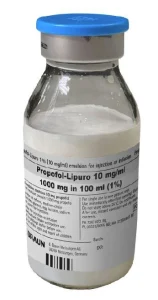
TM Owner B. Braun
Propofol-Lipuro 10mg/mL Injection
Global Shipping : Reliable Global Distribution Network
Express Delivery : Priority Shipping for Every Order
Secure Payments : Trusted Payment Protection System
 Disclaimer

Secure Handling
24/7 Worldwide Support

Global Access
Worldwide Access to Health

Cold-Chain Expert
Excellence in Cold-Chain

Trusted Supply
Certified Medical Supply
Indications & Clinical Uses
- Propofol-Lipuro 1% (10 mg/mL) is a propofol emulsion for intravenous use, made with a medium-chain/long-chain triglyceride (MCT/LCT) lipid vehicle rather than the long-chain-only soybean-oil base used in some other propofol brands, a difference associated with less injection-site pain.
- Propofol is a short-acting general anaesthetic and sedative-hypnotic.
- Under its German/EU marketing authorisation (B.
- Braun Melsungen AG), it is indicated for induction and maintenance of general anaesthesia in adults and children over 1 month old, for sedation during diagnostic or surgical procedures, and for sedation of ventilated patients over 16 in the intensive care unit.
- It is for hospital and specialist anaesthesia or critical-care use only, given intravenously by or under the supervision of an anaesthesiologist or intensive-care physician, and is never self-administered.
- In the United States it was previously supplied only under a temporary FDA emergency authorization for ICU sedation during a 2020 shortage, later revoked; the manufacturer no longer supplies this brand there.
- This 1% strength must not be confused with Propofol-Lipuro 2% (20 mg/mL).
Side Effects
- Very common effects include pain or a stinging sensation at the injection site during induction and a drop in blood pressure (hypotension); a slowed heart rate (bradycardia) and brief pauses in breathing (apnoea) are also common around induction.
- Involuntary muscle movements, headache, and nausea or vomiting on waking can occur.
- Serious but rare reactions include severe allergic reactions (more likely if you are allergic to eggs, soya or peanuts, since the emulsion contains egg lecithin and soybean oil), seizures, marked bradycardia progressing to cardiac arrest, and pulmonary oedema.
- With prolonged, high-dose infusion - mainly in critically ill patients - propofol infusion syndrome can develop: a rare but life-threatening combination of severe metabolic acidosis, high blood potassium, muscle breakdown, heart failure and kidney failure, which the care team monitors for closely.
- Because it is given only in a monitored hospital setting, staff watch your breathing, heart rate and blood pressure throughout and afterward.
Precautions & Warnings
- For intravenous use only, given by trained anaesthesia or intensive-care personnel with airway-management equipment and continuous cardiorespiratory monitoring immediately available.
- Contraindicated in anyone with known hypersensitivity to propofol or to egg, soya or peanut products, and in children 16 years or younger for ICU sedation.
- Infusion rates above about 4 mg/kg/hour raise the risk of propofol infusion syndrome, so rate and duration are limited and closely monitored, especially in children and critically ill adults.
- Use with caution in epilepsy, disorders of fat metabolism, mitochondrial disease, raised intracranial pressure, and cardiac, hepatic or renal impairment.
- Give to pregnant women only when clearly necessary, since propofol crosses the placenta and can cause neonatal depression if used near delivery; discuss breastfeeding with the care team.
- Strict aseptic technique is required when handling the emulsion, which supports bacterial growth; a single-use infusion system must not be used beyond its stated time limit, and unused emulsion is always discarded rather than reused for another patient.
Avoid Interactions
- Effects are increased by other central-nervous-system depressants given together, including benzodiazepines, opioids, inhaled anaesthetics and alcohol; these combinations raise the risk of excessive sedation, low blood pressure and slowed breathing, so doses are reduced accordingly.
- Concurrent valproate can raise propofol blood levels, usually requiring a lower propofol dose, and rifampicin (rifampin) has been associated with pronounced drops in blood pressure after induction with propofol.
- Combining propofol with other sedatives, opioids or muscle relaxants increases the risk of profound respiratory depression and requires careful dose titration and monitoring.
- The anaesthesia team reviews all current medicines and supplements beforehand, since drugs that also lower blood pressure or heart rate can add to propofol's effects.
- The emulsion must not be mixed or co-administered through the same line with other drugs or fluids unless compatibility has been specifically confirmed.
References
- PROPOFOL LIPURO injection, emulsion - B. Braun Medical Inc., DailyMed (EUA fact sheet)
- Propofol 1% (10 mg/ml) emulsion for injection or infusion - Summary of Product Characteristics (emc, UK/B. Braun)
- Revocation of Emergency Use of a Drug During the COVID-19 Pandemic (EUA 096, Propofol-Lipuro 1%) - Federal Register
Frequently Asked Questions
Propofol-Lipuro (propofol) 1% is an intravenous anaesthetic used to put you to sleep for surgery and keep you asleep during the procedure. It also sedates adults and children over 1 month for procedures, and sedates ventilated patients over 16 in intensive care.
An anaesthesiologist or ICU physician gives Propofol-Lipuro through a vein, either as a single induction dose or as a continuous infusion to maintain anaesthesia or sedation. It is never taken by mouth or given by the patient, and dosing is adjusted to your response.
Very common effects include injection-site pain, low blood pressure and brief pauses in breathing during induction. Rarely, prolonged high-dose use can cause propofol infusion syndrome - severe acidosis with muscle and heart problems - which is why your care team monitors you closely throughout.
Tell your care team about any allergy to eggs, soya or peanuts, since Propofol-Lipuro's emulsion contains egg lecithin and soybean oil. Also report any other sedatives, opioids or alcohol use, because combining them with propofol increases the risk of low blood pressure and slowed breathing.
Throughout a Propofol-Lipuro infusion your oxygen level, heart rate, blood pressure and breathing are continuously monitored, since propofol can lower blood pressure and slow breathing. Monitoring continues into recovery until you are stable, and any unused emulsion is discarded after use.
Propofol-Lipuro was supplied in the US only under a temporary FDA emergency authorization during a 2020 shortage; that authorization was revoked in April 2023 and B. Braun no longer offers this brand there. It remains fully licensed and used for anaesthesia and sedation in Germany and other EU countries.

Trusted & Reliable – Your Partner in Global Distribution.
We provide comprehensive lines of pharmaceutical products to support all your healthcare distribution needs.


