

TM Owner Allergan / AbbVie
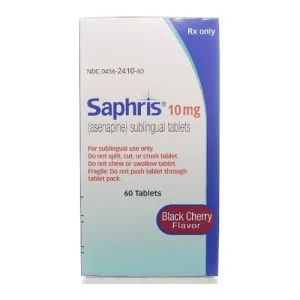
Saphris 10mg Sublingual Tablet
Global Shipping : Reliable Global Distribution Network
Express Delivery : Priority Shipping for Every Order
Secure Payments : Trusted Payment Protection System
 Disclaimer

Secure Handling
24/7 Worldwide Support

Global Access
Worldwide Access to Health

Cold-Chain Expert
Excellence in Cold-Chain

Trusted Supply
Certified Medical Supply
Indications & Clinical Uses
- Saphris 10 mg (asenapine, as asenapine maleate) is an atypical antipsychotic given as a sublingual tablet that dissolves under the tongue.
- In the United States it is approved for adults with schizophrenia and for acute treatment of manic or mixed episodes of bipolar I disorder, either alone or combined with lithium or valproate; it is also approved for maintenance treatment of bipolar I disorder in adults and, for the manic/mixed indication, in children aged 10 years and older.
- Saphris is not the same product as the asenapine transdermal patch Secuado, which is approved only for schizophrenia and delivers the drug through the skin rather than sublingually - the two must not be substituted for one another.
- Saphris is taken by the patient at home, not administered by a clinician.
Side Effects
- Saphris carries a BOXED WARNING: elderly patients with dementia-related psychosis treated with antipsychotic drugs, including Saphris, have an increased risk of death; Saphris is not approved for this population.
- Very common effects can include somnolence (sleepiness), dizziness and a numb or tingling sensation in the mouth after each dose.
- Common effects include weight gain, increased appetite, extrapyramidal symptoms such as tremor or restlessness, and raised blood sugar.
- Seek urgent care for signs of neuroleptic malignant syndrome (high fever, severe muscle stiffness, confusion), unusual involuntary movements of the face or tongue (possible tardive dyskinesia), fainting, a fast or irregular heartbeat, seizures, or a severe allergic reaction.
- Report any new muscle problems, unusual bleeding, or signs of infection linked to a low white cell count.
Precautions & Warnings
- Saphris is not recommended in patients with severe hepatic impairment (Child-Pugh C).
- It should be used cautiously in people with cardiovascular disease, a history of low blood pressure on standing, seizures, or conditions that increase the risk of aspiration, since somnolence and swallowing difficulty can occur.
- Regular monitoring of weight, blood sugar and lipids is recommended because of the risk of metabolic changes, and periodic blood counts are advised for patients with a history of low white blood cell counts.
- Saphris can cause sedation and impair judgement, thinking or motor skills, so avoid driving or using machinery until you know how it affects you.
- Use in pregnancy only if clearly needed, as antipsychotics used in the third trimester can cause withdrawal or movement symptoms in the newborn; breastfeeding is not generally recommended during treatment.
Avoid Interactions
- Avoid combining Saphris with other medicines that prolong the QT interval, such as certain antiarrhythmics, some antibiotics and other antipsychotics, because of an added risk of serious heart rhythm problems.
- Alcohol and other central nervous system depressants, including benzodiazepines, opioids and sedating antihistamines, can add to Saphris's sleepiness and impaired coordination.
- Fluvoxamine, a strong CYP1A2 inhibitor, meaningfully raises asenapine levels and should be used cautiously with dose review; paroxetine can raise its own levels when combined with Saphris but usually needs no asenapine dose change.
- Because Saphris can lower blood pressure on standing, use caution with other blood pressure-lowering medicines.
- Always tell your healthcare provider and pharmacist about every prescription, over-the-counter medicine, supplement and amount of alcohol you use.
References
Frequently Asked Questions
Saphris (asenapine) is an antipsychotic that treats schizophrenia and manic or mixed episodes of bipolar I disorder in adults, alone or with lithium or valproate. It is also approved for bipolar mania in children aged 10 and older and for bipolar maintenance treatment.
Place the Saphris tablet under your tongue and let it dissolve completely - do not swallow, chew or crush it. It is usually taken twice daily. Do not eat or drink for 10 minutes afterward, since food and liquid can reduce how much asenapine you absorb.
Saphris commonly causes sleepiness, dizziness, mouth numbness after dosing, weight gain and tremor. It carries a boxed warning: elderly patients with dementia-related psychosis have a higher risk of death on antipsychotics like Saphris. Get urgent help for high fever, muscle stiffness or fainting.
Avoid alcohol and other sedating medicines with Saphris, since both increase drowsiness and impaired coordination. Avoid other drugs that prolong the QT heart rhythm interval. Fluvoxamine raises Saphris levels significantly, so tell your healthcare provider about all medicines you take.
If you miss a dose of Saphris, take it as soon as you remember unless it is close to your next dose - then skip it and continue your normal schedule. Do not double up. Store the tablets at room temperature, 15°C to 30°C, away from moisture.
Saphris is used in pregnancy only if clearly needed, as antipsychotics late in pregnancy can affect the newborn, and breastfeeding is generally not recommended. It is approved for bipolar mania in children 10 and older, but not for schizophrenia in children.

Trusted & Reliable – Your Partner in Global Distribution.
We provide comprehensive lines of pharmaceutical products to support all your healthcare distribution needs.


