

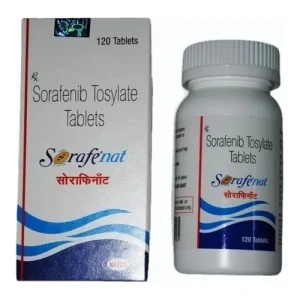
TM Owner Bayer
Sorafenib 200mg Tablet
Global Shipping : Reliable Global Distribution Network
Express Delivery : Priority Shipping for Every Order
Secure Payments : Trusted Payment Protection System
 Disclaimer

Secure Handling
24/7 Worldwide Support

Global Access
Worldwide Access to Health

Cold-Chain Expert
Excellence in Cold-Chain

Trusted Supply
Certified Medical Supply
Indications & Clinical Uses
- Sorafenib 200 mg tablets, containing sorafenib tosylate, are a multikinase inhibitor marketed worldwide as Nexavar by Bayer; this sheet lists the active substance rather than a separate trade name, and the approved product is the Bayer-branded Nexavar tablet.
- Nexavar is approved in adults for unresectable hepatocellular carcinoma (liver cancer), advanced renal cell carcinoma after failure of interferon-alpha or interleukin-2-based therapy, and locally recurrent or metastatic differentiated thyroid carcinoma that no longer responds to radioactive iodine treatment.
- It is not approved for use in children, and safety in pregnancy has not been established.
- Sorafenib is taken by the patient at home as an oral tablet, usually 400 mg (two 200 mg tablets) twice daily on an empty stomach, one hour before or two hours after food, and is not a hospital-only or intravenous medicine.
Side Effects
- The most common side effects of sorafenib, each affecting 20% or more of patients in trials, are diarrhea, fatigue, hair loss, hand-foot skin reaction (redness, pain or blistering of the palms and soles), rash, decreased appetite, weight loss, nausea, abdominal pain and high blood pressure.
- Sorafenib has no boxed warning on its current US or EU label, but it can cause serious bleeding, so seek urgent help for unusual bruising, blood in stool or vomit, or coughing up blood.
- Serious but less common reactions include liver injury, heart attack or reduced blood flow to the heart, and gastrointestinal perforation.
- Report severe hand-foot skin reaction, chest pain or a sudden severe headache promptly, and have blood pressure checked weekly for the first six weeks of treatment.
Precautions & Warnings
- Before starting sorafenib, your healthcare provider will check liver function, blood pressure and, for thyroid cancer, calcium and thyroid-stimulating hormone levels, since sorafenib can cause hepatotoxicity, hypertension, hypocalcaemia and TSH suppression.
- Sorafenib must be stopped permanently if severe bleeding, gastrointestinal perforation or a serious cardiac event occurs, and treatment should be interrupted before and after surgery because it can impair wound healing.
- It may cause fetal harm, so effective contraception is advised for both men and women during treatment and for a period afterward, and it should not be used in pregnancy or while breastfeeding unless clearly necessary.
- Liver function tests should be repeated regularly, and dose reduction or interruption is often needed for hand-foot skin reaction or diarrhea.
- Tell your healthcare provider about any planned surgery or dental work.
Avoid Interactions
- Sorafenib levels can fall by up to 37% when taken with strong CYP3A4 inducers such as rifampin, carbamazepine, phenytoin, phenobarbital, dexamethasone and St John's Wort, which are best avoided as they reduce effectiveness.
- Sorafenib can also raise UGT1A1 and UGT1A9 substrate drug levels, so combining it with medicines cleared by these pathways may need monitoring.
- If you take warfarin, tell your healthcare provider, because sorafenib has been linked to infrequent bleeding or changes in INR, and more frequent blood clotting tests are recommended.
- Avoid grapefruit and grapefruit juice as a precaution with CYP3A4-affecting foods.
- Always tell your healthcare provider and pharmacist about every prescription medicine, over-the-counter product, herbal remedy or supplement you take before and during sorafenib treatment.
References
Frequently Asked Questions
Sorafenib, sold as Nexavar, is a targeted cancer tablet that treats unresectable liver cancer, advanced kidney cancer after other treatments have failed, and thyroid cancer that no longer responds to radioactive iodine. It blocks several proteins tumours use to grow and form blood vessels. It is taken long-term as directed by your oncologist.
The usual sorafenib dose is 400 mg, taken as two 200 mg tablets twice daily, one hour before or two hours after a meal. Swallow the tablets whole with a full glass of water. It is taken continuously at home unless your oncologist tells you to pause or adjust the dose.
Common sorafenib side effects include diarrhea, fatigue, hair loss, rash, decreased appetite, weight loss, nausea and high blood pressure. The most distinctive reaction is hand-foot skin reaction, causing pain, redness or blistering on the palms and soles. Seek urgent care for unusual bleeding, chest pain, severe headache or signs of liver problems.
Avoid rifampin, phenytoin, carbamazepine, St John's Wort and other strong CYP3A4 inducers, since they can cut sorafenib's effect by up to 37%. Avoid grapefruit juice as a precaution. Tell your healthcare provider if you take warfarin, as sorafenib can increase bleeding risk and change INR readings, needing closer monitoring.
Yes. Your healthcare provider will check liver function and blood pressure regularly, and calcium and thyroid hormone levels if you are being treated for thyroid cancer. Blood pressure is usually checked weekly for the first six weeks. Report unusual bruising or bleeding straight away, since sorafenib can affect clotting.
No. Sorafenib may harm an unborn baby, so effective contraception is advised for both men and women during treatment and for a period afterward. It should not be used in pregnancy or while breastfeeding unless your oncologist judges it clearly necessary, and fertility may also be affected.

Trusted & Reliable – Your Partner in Global Distribution.
We provide comprehensive lines of pharmaceutical products to support all your healthcare distribution needs.


