

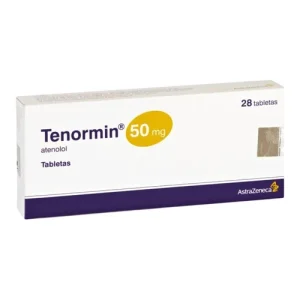
TM Owner Atnahs Pharma UK Limited
Tenormin 50mg Tablet
Global Shipping : Reliable Global Distribution Network
Express Delivery : Priority Shipping for Every Order
Secure Payments : Trusted Payment Protection System
 Disclaimer

Secure Handling
24/7 Worldwide Support

Global Access
Worldwide Access to Health

Cold-Chain Expert
Excellence in Cold-Chain

Trusted Supply
Certified Medical Supply
Indications & Clinical Uses
- Tenormin 50 mg tablets contain atenolol, a cardioselective beta-1 blocker used to treat high blood pressure (hypertension), angina pectoris caused by coronary artery disease, certain heart rhythm disturbances, and to improve survival after the acute phase of a heart attack in stable patients.
- It is approved for adults; safety and effectiveness in children have not been established.
- Atenolol lowers heart rate and blood pressure by blocking the effects of adrenaline on the heart, reducing the heart's workload and oxygen demand.
- Since a global 2020 divestment by the originator AstraZeneca, current Tenormin packs are marketed by Atnahs Pharma, though the tablets themselves are unchanged.
- Tenormin is taken by mouth, usually once daily, and is often combined with other blood-pressure medicines when a single agent does not control blood pressure adequately.
Side Effects
- The most common side effects of Tenormin reported in trials were tiredness (affecting roughly one in four people), dizziness, cold hands and feet, low mood, and fatigue; these are usually mild and often ease with continued treatment.
- Less common effects include a slow heart rate (bradycardia), worsened cold extremities in people with circulation problems, sleep disturbance, and mild gastrointestinal upset.
- Tenormin carries no boxed warning on its current US or UK label, but because it is a beta-blocker it must never be stopped suddenly: abrupt withdrawal can cause a rebound rise in heart rate and blood pressure and has been linked to worsening angina and heart attack in people with underlying coronary disease.
- Seek urgent medical attention for a very slow or irregular pulse, fainting, severe breathlessness, or swelling of the legs or abdomen, which can signal worsening heart failure.
Precautions & Warnings
- Tenormin must not be used in people with a very slow heart rate, greater-than-first-degree heart block, cardiogenic shock, or overt uncontrolled heart failure.
- Use with caution in bronchospastic lung disease such as asthma, since beta-blockers can trigger airway narrowing, and in peripheral vascular disease, diabetes (because it can mask warning signs of low blood sugar such as a fast pulse), and impaired kidney function, which may require a lower dose.
- Tenormin should be reduced gradually, never stopped abruptly, whether before elective surgery or when discontinuing treatment.
- Limited data exist on use in pregnancy and breastfeeding; atenolol crosses the placenta and passes into breast milk, so it should be used only if the expected benefit outweighs the risk, under specialist advice.
- Tenormin can affect alertness in some people, so caution is advised when driving until individual response is known.
- No boxed warning is present on the current label.
Avoid Interactions
- Medicines that can INCREASE the heart-slowing and blood-pressure-lowering effect of Tenormin, raising the risk of a very slow heart rate or heart block, include calcium-channel blockers such as verapamil and diltiazem, other antiarrhythmics such as amiodarone and disopyramide, digoxin, and clonidine (rebound hypertension can occur if clonidine is stopped while both are used).
- Combining Tenormin with catecholamine-depleting drugs can cause an excessive drop in blood pressure or heart rate.
- Medicines that can REDUCE its blood-pressure-lowering effect include nonsteroidal anti-inflammatory drugs such as indomethacin.
- Anaesthetic agents may add to the blood-pressure-lowering effect during surgery, so anaesthetists should be told the patient takes Tenormin.
- Alcohol can add to tiredness and dizziness.
- Tell your healthcare provider and pharmacist about every prescription medicine, over-the-counter product and supplement you take before starting Tenormin.
References
Frequently Asked Questions
Tenormin (atenolol) is a beta-blocker tablet used to treat high blood pressure, angina, certain abnormal heart rhythms, and to help survival after a heart attack. It works by slowing the heart rate and reducing how hard the heart works. It is approved for adults, taken once daily.
Tenormin is a tablet taken by mouth, usually once a day, with or without food, at roughly the same time each day. Your provider sets the dose based on your condition and kidney function. Do not stop Tenormin suddenly, even if you feel well; the dose is reduced gradually instead.
The most common Tenormin side effects are tiredness, dizziness, cold hands and feet, and low mood. Get urgent help for a very slow or irregular pulse, fainting, severe breathlessness, or swelling of the ankles or abdomen. Tenormin has no boxed warning on its current label.
Do not stop Tenormin abruptly, as this can trigger a rebound rise in blood pressure or worsen angina and heart attack risk. Tell your provider before using verapamil, diltiazem, amiodarone or clonidine, which can excessively slow your heart rate. NSAID painkillers can blunt its effect.
If you miss a Tenormin dose, take it as soon as you remember that day; skip it if it is almost time for the next dose, and never double up. Missing doses can cause blood pressure or heart rhythm swings, so try to take Tenormin at the same time every day.
Atenolol crosses the placenta, so Tenormin is used in pregnancy only if benefit clearly outweighs risk, under specialist supervision, because it may affect the baby's growth and heart rate. It also passes into breast milk. Tell your provider promptly if you are or could become pregnant.

Trusted & Reliable – Your Partner in Global Distribution.
We provide comprehensive lines of pharmaceutical products to support all your healthcare distribution needs.


