

TM Owner BeOne Medicines (formerly BeiGene)
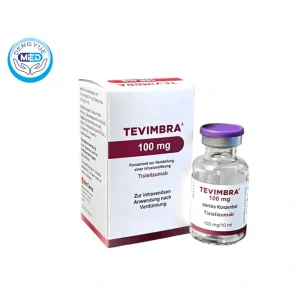
Tevimbra 100mg Vial
Global Shipping : Reliable Global Distribution Network
Express Delivery : Priority Shipping for Every Order
Secure Payments : Trusted Payment Protection System
 Disclaimer

Secure Handling
24/7 Worldwide Support

Global Access
Worldwide Access to Health

Cold-Chain Expert
Excellence in Cold-Chain

Trusted Supply
Certified Medical Supply
Indications & Clinical Uses
- Tevimbra 100 mg/10 mL is a vial of tislelizumab, marketed in the United States as tislelizumab-jsgr, a PD-1 immune checkpoint inhibitor (anti-PD-1 monoclonal antibody) given by intravenous infusion in a hospital or oncology clinic; it is never self-administered.
- It is approved (with some regional differences between the US FDA, EU EMA and other agencies) for adults with unresectable or metastatic oesophageal squamous cell carcinoma after prior chemotherapy that did not include a PD-(L)1 inhibitor, and, combined with platinum and fluoropyrimidine chemotherapy, as first-line treatment of HER2-negative, PD-L1-positive gastric or gastro-oesophageal junction adenocarcinoma.
- Tevimbra is only marketed as a single 100 mg/10 mL (10 mg/mL) vial; a 200 mg dose is prepared from two vials, not from a separate higher-strength vial.
- It is made by BeOne Medicines (formerly BeiGene).
Side Effects
- Tevimbra has no boxed warning on its current US label.
- Common effects as monotherapy include anaemia, fatigue, musculoskeletal pain, weight loss, cough and an underactive thyroid; combined with chemotherapy, nausea, decreased appetite, fatigue, low platelets or neutrophils, raised liver enzymes and diarrhoea are common.
- The more serious risks are severe immune-mediated reactions affecting the lungs (pneumonitis), bowel (colitis), liver (hepatitis), hormone glands, kidneys, skin or heart (myocarditis), which can be life-threatening.
- Tell your care team immediately about new cough or breathlessness, severe diarrhoea, yellowing of the skin or eyes, unusual tiredness, or a fast or irregular heartbeat during or after an infusion.
Precautions & Warnings
- Tevimbra has no formal contraindications listed, but it should be avoided in patients who have had or are planning an allogeneic stem-cell transplant because of a risk of fatal transplant-related complications.
- Your care team monitors thyroid, liver and kidney function and watches closely for signs of immune-mediated inflammation throughout treatment, since these reactions can appear weeks after a dose.
- Tevimbra can cause fetal harm, so effective contraception is required during treatment and for 4 months after the last dose.
- It must be given only as an intravenous infusion through a low-protein-binding in-line filter, never as a rapid injection or bolus, and only under specialist hospital or clinic supervision.
Avoid Interactions
- No specific pharmacokinetic drug-drug interactions have been established for tislelizumab, since as a large monoclonal antibody it is not broken down by liver CYP enzymes the way small-molecule drugs are.
- Avoid live or live-attenuated vaccines while being treated with Tevimbra, as the immune effects of the drug make their safety uncertain.
- Starting corticosteroids or other immunosuppressants before or during treatment may blunt Tevimbra's effectiveness, so these are generally reserved for managing side effects rather than used routinely.
- Pharmacy staff never mix Tevimbra with other medicines in the same infusion line.
- Tell your oncology team about every medicine and supplement you take.
References
Frequently Asked Questions
Tevimbra (tislelizumab) is an immunotherapy given for certain advanced cancers, including oesophageal squamous cell carcinoma after prior chemotherapy, and, with chemotherapy, HER2-negative, PD-L1-positive gastric cancer. It works by helping your immune system attack cancer cells via the PD-1 pathway.
Tevimbra is given only by intravenous infusion in a hospital or cancer clinic, never at home. The first infusion runs over 60 minutes; later ones may take 30 minutes if well tolerated. It's usually repeated every 3 weeks alongside any chemotherapy partner drugs.
Common effects include fatigue, anaemia, low appetite and musculoskeletal pain. The serious risk is severe immune-mediated inflammation of the lungs, bowel, liver, hormone glands, kidneys or heart. Report new cough, breathlessness, severe diarrhoea or yellowing skin right away. There is no boxed warning.
Avoid live or live-attenuated vaccines while on Tevimbra. Starting steroids or immunosuppressants before treatment can reduce its effect. Tevimbra is not combined with allogeneic stem-cell transplant due to fatal complication risk. Tell your oncology team about every other medicine and supplement.
You're monitored in clinic during and after each infusion for reactions such as fever, chills, rash or breathing changes. Blood tests check thyroid, liver and kidney function regularly, since immune-related side effects can appear weeks after a dose, not just on infusion day.
No. Tevimbra can cause fetal harm, so effective contraception is required during treatment and for 4 months after your last dose, for anyone who could become pregnant or father a pregnancy. Discuss pregnancy plans and contraception with your oncology team before starting treatment.

Trusted & Reliable – Your Partner in Global Distribution.
We provide comprehensive lines of pharmaceutical products to support all your healthcare distribution needs.


