

TM Owner ANI Pharmaceuticals
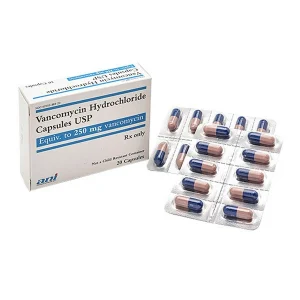
Vancocin 250mg Capsule
Global Shipping : Reliable Global Distribution Network
Express Delivery : Priority Shipping for Every Order
Secure Payments : Trusted Payment Protection System
 Disclaimer

Secure Handling
24/7 Worldwide Support

Global Access
Worldwide Access to Health

Cold-Chain Expert
Excellence in Cold-Chain

Trusted Supply
Certified Medical Supply
Indications & Clinical Uses
- Vancocin (vancomycin hydrochloride) capsules are indicated for treatment of Clostridioides difficile-associated diarrhea (CDAD, formerly C. difficile colitis) and enterocolitis caused by Staphylococcus aureus (including methicillin-resistant strains, MRSA) in adults and pediatric patients under 18 years old.
- Oral administration is specifically required for these gastrointestinal infections.
- Vancocin is supplied as 125 mg and 250 mg capsules.
- The medication works by eliminating pathogenic bacteria in the colon.
Side Effects
- The most commonly reported adverse reactions are nausea (17%), abdominal pain (15%), and hypokalemia/low potassium (13%).
- Additional adverse reactions at ≥5% include vomiting, diarrhea, flatulence, fever, headache, and urinary tract infection.
- Nephrotoxicity (kidney damage) occurred in 5% overall and 6% in patients over 65 years old.
- Most side effects are mild to moderate.
- Report severe or persistent diarrhea, significant abdominal pain, or dark urine to your healthcare provider.
Precautions & Warnings
- Vancocin oral capsules are contraindicated only in hypersensitivity to vancomycin.
- Monitor for hypokalemia (low potassium) as the most common laboratory abnormality.
- Elderly patients (65+) have higher risk of nephrotoxicity, so kidney function should be assessed.
- Patients with severe kidney disease should be monitored carefully.
- This is oral vancomycin for GI infections only—it is not for systemic infections or intravenous use.
- Avoid in patients with intestinal obstruction or perforation.
- Continue antibiotic for full prescribed duration even if symptoms improve.
Avoid Interactions
- No drug interaction studies have been conducted with oral vancomycin capsules.
- Since vancomycin acts locally in the gastrointestinal tract with minimal systemic absorption, significant drug interactions are unlikely.
- Tell your healthcare provider about all medications and supplements you take.
- If you are taking other antibiotics for systemic infections, coordinate with your doctor.
- Maintain adequate hydration and electrolyte balance, especially potassium.
- Report any unusual symptoms during treatment.
References
Frequently Asked Questions
Vancocin (vancomycin) 250 mg capsules treat Clostridioides difficile-associated diarrhea and Staphylococcus aureus enterocolitis. These are serious bacterial infections of the colon. Vancocin works locally in the gut to eliminate the harmful bacteria. It is not for systemic (blood) infections and must be taken by mouth only, never injected.
Swallow Vancocin 250 mg capsules whole with water. Your doctor determines the dose and frequency based on your infection severity. Take for the full prescribed duration even if you feel better. Vancocin acts only in the gastrointestinal tract and is not absorbed systemically. Missing doses may allow infection to return or worsen.
Common side effects include nausea (17%), abdominal pain (15%), vomiting, diarrhea, and low potassium levels. Older patients may experience kidney damage in 6% of cases. Most side effects are mild. Report severe abdominal pain, persistent diarrhea, dark urine, or signs of kidney problems to your doctor immediately.
Do not use Vancocin if allergic to vancomycin. This is for oral use only—never inject it or use intravenously. Tell your doctor if you are over 65, have kidney disease, or have intestinal obstruction. Take the full prescribed course. Inform about all medications, though significant drug interactions are unlikely with oral vancomycin.
Yes, low potassium (hypokalemia) is the most common laboratory abnormality, occurring in 13% of patients. Your doctor may monitor potassium levels and recommend dietary sources of potassium or supplementation if needed. Symptoms of low potassium include weakness, muscle cramps, or palpitations; report these to your healthcare provider.
Vancocin can be used in elderly patients, but those over 65 have a higher risk of kidney damage (nephrotoxicity at 6% vs 5% overall). Your doctor will assess kidney function before and during treatment. Adequate hydration is important. Close monitoring may be recommended for older adults taking Vancocin.

Trusted & Reliable – Your Partner in Global Distribution.
We provide comprehensive lines of pharmaceutical products to support all your healthcare distribution needs.


