

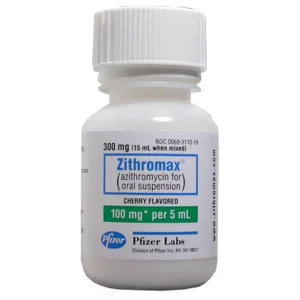
TM Owner Pfizer
Zithromax 250mg Tablet
Global Shipping : Reliable Global Distribution Network
Express Delivery : Priority Shipping for Every Order
Secure Payments : Trusted Payment Protection System
 Disclaimer

Secure Handling
24/7 Worldwide Support

Global Access
Worldwide Access to Health

Cold-Chain Expert
Excellence in Cold-Chain

Trusted Supply
Certified Medical Supply
Indications & Clinical Uses
- Zithromax 250 mg (azithromycin) tablets are a macrolide antibiotic used to treat mild to moderate bacterial infections in adults and paediatric patients, with age limits depending on the infection.
- Approved uses include acute bacterial flare-ups of chronic bronchitis, acute bacterial sinusitis, community-acquired pneumonia, throat and tonsil infections (pharyngitis/tonsillitis), skin infections, urethritis and cervicitis, and genital ulcer disease.
- For most of these infections the usual adult dose is 500 mg (two 250 mg tablets) on day 1 and then 250 mg once daily on days 2 to 5, the standard 6-tablet Z-Pak course.
- Zithromax is a Pfizer product with tablets in 250 mg and 500 mg strengths and also an oral suspension, so check the strength on your pack.
- It works only against bacteria and is not effective for viral infections such as colds or flu.
Side Effects
- The most common side effects of Zithromax are diarrhoea or loose stools (about 5% to 14%), nausea (3% to 18%), abdominal pain (3% to 7%) and vomiting (2% to 7%); these are usually mild and go away after treatment.
- Serious reactions need urgent attention: severe allergic reactions including anaphylaxis and Stevens-Johnson syndrome, severe or fatal liver injury (yellow skin or eyes, dark urine, severe tiredness), irregular heart rhythm from QT prolongation (torsades de pointes), and severe watery or bloody diarrhoea from Clostridioides difficile that can occur during or after antibiotic treatment.
- Zithromax can worsen muscle weakness in myasthenia gravis, and observational studies suggested a small increase in short-term cardiovascular death risk.
- The label has no boxed warning.
- Stop the medicine and seek urgent help for rash, swelling, breathing difficulty or fast or irregular heartbeat.
Precautions & Warnings
- Do not take Zithromax if you are allergic to azithromycin, erythromycin, any macrolide or ketolide antibiotic, or if you previously had cholestatic jaundice or liver problems with azithromycin.
- It can prolong the QT interval, so avoid it if you have known QT prolongation or use QT-prolonging medicines.
- Stop treatment and seek advice for signs of liver injury or severe allergic reaction.
- Use with caution in myasthenia gravis.
- Infantile hypertrophic pyloric stenosis has been reported in babies up to 42 days old given azithromycin.
- Pregnancy: available data show no drug-associated risk of major birth defects.
- Breastfeeding: azithromycin passes into human milk, so watch the baby for diarrhoea, vomiting or rash.
- Kidney impairment with a GFR above 10 mL/min usually needs no dose adjustment.
- Finish the course as directed.
- Store tablets between 15°C and 30°C.
Avoid Interactions
- Medicines that increase risk or levels: warfarin (monitor prothrombin time and bleeding), nelfinavir (raises azithromycin levels; watch for liver enzyme changes and hearing problems), and QT-prolonging medicines (added risk of dangerous heart rhythms).
- Digoxin, colchicine and phenytoin may need extra monitoring when taken with azithromycin.
- Ergot derivatives should be avoided because of the risk of ergot toxicity with macrolides.
- Medicines that reduce absorption: aluminium- or magnesium-containing antacids should not be taken at the same time as Zithromax, as they lower its peak levels.
- Zithromax can be taken with or without food.
- Tell your healthcare provider about all prescription, over-the-counter and herbal medicines and supplements you use.
References
Frequently Asked Questions
Zithromax (azithromycin) is an antibiotic for mild to moderate bacterial infections, including chest infections such as bronchitis flare-ups and pneumonia, sinusitis, sore throat and tonsillitis, skin infections, urethritis, cervicitis and genital ulcers. It does not work against colds, flu or other viruses.
Take Zithromax (azithromycin) 250 mg tablets once daily, with or without food. For most infections the adult course is 500 mg on day 1, then 250 mg once daily on days 2 to 5. Follow your prescribed course and finish it, even if you feel better.
Common Zithromax (azithromycin) side effects are diarrhoea, nausea, stomach pain and vomiting. Get urgent help for a severe rash or swelling, yellow skin or eyes, fast or irregular heartbeat, or severe watery or bloody diarrhoea, which can appear during or after treatment.
Avoid taking aluminium or magnesium antacids at the same time as Zithromax (azithromycin). Do not use it with ergot medicines, and tell your doctor about warfarin, nelfinavir, digoxin, colchicine, phenytoin or any medicine that affects heart rhythm (QT). Do not take it if you are allergic to macrolides.
A Zithromax (azithromycin) 250 mg Z-Pak holds 6 tablets. You usually take two tablets (500 mg) on day 1, then one tablet daily on days 2 to 5. Your doctor may prescribe a different course for some infections, so follow the pack label your pharmacist gives you.
Available data show no drug-associated risk of major birth defects with Zithromax (azithromycin) in pregnancy. It passes into breast milk, so watch a breastfed baby for diarrhoea, vomiting or rash. Tell your doctor if you are pregnant or breastfeeding before starting.

Trusted & Reliable – Your Partner in Global Distribution.
We provide comprehensive lines of pharmaceutical products to support all your healthcare distribution needs.


