

TM Owner Fresenius Medical Care
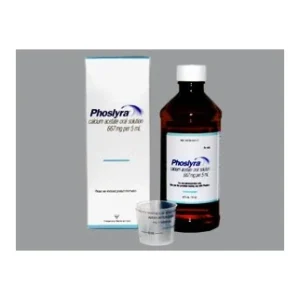
Phoslyra 667mg/5mL Oral Solution
Global Shipping : Reliable Global Distribution Network
Express Delivery : Priority Shipping for Every Order
Secure Payments : Trusted Payment Protection System
 Disclaimer

Secure Handling
24/7 Worldwide Support

Global Access
Worldwide Access to Health

Cold-Chain Expert
Excellence in Cold-Chain

Trusted Supply
Certified Medical Supply
Indications & Clinical Uses
- Phoslyra is calcium acetate oral solution, an aluminum-free phosphate binder providing 667 mg of calcium acetate per 5 mL, used to control high blood phosphate levels (hyperphosphatemia) in adults with chronic kidney disease who are on dialysis.
- Note: the approved strength is per 5 mL, not per mL — a sheet listing '667 mg/mL' would overstate the concentration roughly tenfold.
- Phoslyra is intended as a liquid alternative to PhosLo capsules and tablets for patients who have difficulty swallowing pills, and it is taken by mouth with each meal so it binds dietary phosphate in the gut before it can be absorbed, allowing it to leave the body in the stool along with unabsorbed food.
- It is prescription-only and used as an adjunct to a reduced-phosphate diet and dialysis, under nephrology care; it is not approved to treat other causes of raised phosphate.
Side Effects
- The most common side effects seen with Phoslyra are related to its calcium content and include hypercalcemia, nausea, and diarrhea; dizziness, swelling (edema), and weakness have also been reported, and diarrhea appears more often with the oral solution than with calcium acetate tablets.
- Because every dose delivers extra calcium, blood calcium can rise too high, and warning signs include confusion, unusual tiredness, muscle weakness, bone pain, or an irregular heartbeat — these need prompt medical attention.
- There is no boxed warning on the current Phoslyra label.
- Rare hypersensitivity reactions such as itching have been reported with calcium acetate products generally.
- Take Phoslyra with meals using the dosing device supplied, and contact your healthcare provider urgently if you develop signs of high calcium or a fast or irregular heart rhythm.
Precautions & Warnings
- Phoslyra should be used only under medical supervision, with serum calcium checked regularly — about twice weekly while the dose is adjusted — and the calcium-phosphate product kept within the range set by your care team, to limit the risk of calcium depositing in blood vessels and soft tissue.
- It must not be used in patients who already have high blood calcium, and it should be used cautiously in anyone taking digoxin or other digitalis medicines, since elevated calcium raises the risk of digitalis-related heart rhythm problems.
- Do not take additional calcium supplements, calcium-containing antacids, or extra vitamin D unless your healthcare provider approves this.
- Use in pregnancy or breastfeeding only if clearly needed, on medical advice.
- There is no specific restriction on driving.
- Phoslyra should be stored at controlled room temperature, and the bottle should be shaken well and measured accurately with the dosing device before each dose.
Avoid Interactions
- Calcium acetate in Phoslyra can bind to certain other oral medicines in the gut and reduce how much is absorbed, so tetracycline-type and fluoroquinolone antibiotics — ciprofloxacin absorption can fall by around half — should be taken at least one hour before or three hours after Phoslyra.
- It may also reduce absorption of some thyroid hormone replacement tablets; separating dosing times is recommended.
- Because Phoslyra raises blood calcium, combining it with digoxin or other digitalis medicines increases the risk of serious heart rhythm disturbances, and it should not be combined with other calcium supplements, calcium-based antacids, or vitamin D products without medical guidance, since this increases the risk of hypercalcemia.
- Tell your healthcare provider and pharmacist about every prescription medicine, over-the-counter product, and supplement you take, and follow the recommended spacing between Phoslyra and any interacting drug.
References
Frequently Asked Questions
Phoslyra (calcium acetate oral solution) is a phosphate binder that lowers high blood phosphate in adults with chronic kidney disease on dialysis. Each 5 mL contains 667 mg of calcium acetate. It binds phosphate from food in the gut so it leaves the body in the stool instead of being absorbed.
Take Phoslyra by mouth with each meal, using the dosing cup or oral syringe provided to measure the exact amount — the strength is 667 mg per 5 mL, not per mL. Shake the bottle before use. Your healthcare provider sets your dose based on blood phosphate results.
The most common Phoslyra side effects are hypercalcemia, nausea, and diarrhea, with dizziness, swelling, and weakness also reported. Seek prompt care for confusion, muscle weakness, bone pain, or an irregular heartbeat, since these can signal high blood calcium. Regular blood tests during treatment catch this early.
Avoid extra calcium supplements, calcium-containing antacids, or added vitamin D unless your healthcare provider approves, since these add to the calcium Phoslyra provides. Space Phoslyra at least one hour before or three hours after tetracycline or fluoroquinolone antibiotics, and mention any digoxin use.
Phoslyra and PhosLo both contain calcium acetate and work the same way, but Phoslyra is a liquid (667 mg per 5 mL) while PhosLo is a capsule (667 mg each). Phoslyra suits patients who cannot swallow capsules; your healthcare provider decides which form and dose is right for you.
Phoslyra requires regular blood calcium monitoring, about twice weekly while your dose is being adjusted, to catch hypercalcemia early. Your care team also checks blood phosphate levels and the calcium-phosphate product to reduce the risk of calcium building up in blood vessels and soft tissue.

Trusted & Reliable – Your Partner in Global Distribution.
We provide comprehensive lines of pharmaceutical products to support all your healthcare distribution needs.


