

TM Owner AbbVie
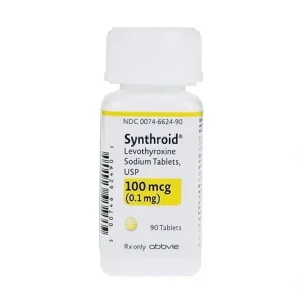
Synthroid 100mcg Tablet
Global Shipping : Reliable Global Distribution Network
Express Delivery : Priority Shipping for Every Order
Secure Payments : Trusted Payment Protection System
 Disclaimer

Secure Handling
24/7 Worldwide Support

Global Access
Worldwide Access to Health

Cold-Chain Expert
Excellence in Cold-Chain

Trusted Supply
Certified Medical Supply
Indications & Clinical Uses
- Synthroid (levothyroxine sodium) 100mcg tablets are a synthetic thyroid hormone used as replacement therapy for hypothyroidism (underactive thyroid) of any cause - primary, secondary or tertiary - in adults, children and infants.
- It is also used together with surgery and radioactive iodine to suppress TSH in the management of certain thyroid cancers.
- Synthroid is a self-administered oral tablet, taken once daily on an empty stomach, 30 to 60 minutes before breakfast, at a consistent time each day.
- It is available in many strengths from 25mcg to 300mcg so the dose can be finely adjusted to each patient.
Side Effects
- Synthroid carries a boxed warning: thyroid hormones, including Synthroid, must not be used to treat obesity or for weight loss, since doses above what the body needs can cause serious or life-threatening effects on the heart, particularly when combined with other weight-loss medicines.
- Most other side effects reflect too much thyroid hormone from overtreatment: rapid or irregular heartbeat, palpitations, tremor, nervousness, insomnia, sweating, weight loss, diarrhoea and heat intolerance.
- Report chest pain, a fast heartbeat or shortness of breath urgently, and have your dose adjusted by your provider rather than stopping suddenly.
Precautions & Warnings
- Synthroid is contraindicated in uncorrected adrenal insufficiency, because of the risk of acute adrenal crisis, and in untreated thyrotoxicosis.
- Use caution and start at a low dose in elderly patients and those with heart disease, because of cardiac risk.
- Long-term over-replacement can reduce bone density, especially after menopause.
- Synthroid may unmask or worsen diabetes, requiring closer glucose monitoring.
- Myxedema coma requires urgent intravenous therapy, not oral tablets.
- Synthroid can and should be continued in pregnancy, usually at a higher dose, with regular TSH monitoring; it is not a treatment for infertility or obesity.
Avoid Interactions
- Calcium and iron supplements, antacids, sucralfate, bile-acid resins (cholestyramine, colesevelam) and proton pump inhibitors all reduce Synthroid absorption, so take Synthroid at least 4 hours apart from these.
- Oestrogens and oral contraceptives can increase the dose needed by raising thyroid-binding protein levels.
- Phenytoin, carbamazepine, rifampin and certain seizure or HIV medicines speed up levothyroxine breakdown.
- Beta-blockers and amiodarone affect how the body converts thyroid hormone.
- Tell your provider about every medicine and supplement you take so your Synthroid dose can be adjusted correctly.
References
Frequently Asked Questions
Synthroid (levothyroxine) replaces the thyroid hormone your body isn't making enough of when you have an underactive thyroid (hypothyroidism). It's also used with surgery and radioactive iodine to help manage certain thyroid cancers. Synthroid is approved for adults, children and infants who need thyroid hormone replacement.
Take Synthroid once a day, by mouth, on an empty stomach, 30 to 60 minutes before breakfast, with a full glass of water. Take it at the same time each day and don't switch brands without your doctor's advice, since even small dose changes affect thyroid levels.
Taking too much Synthroid causes symptoms of an overactive thyroid: fast or irregular heartbeat, tremor, anxiety, trouble sleeping, sweating and weight loss. Synthroid must never be used for weight loss or obesity - this is a boxed warning, since higher-than-needed doses can seriously harm the heart.
Avoid taking calcium, iron supplements, antacids or proton pump inhibitors within 4 hours of Synthroid, since they block absorption. Oestrogen pills can change how much you need. Tell your doctor about new medicines, and don't stop Synthroid suddenly without medical advice.
If you miss a Synthroid dose, take it as soon as you remember that day; if you forget completely, skip it and resume your normal schedule the next day - don't double up. Missing doses often can raise TSH and bring back hypothyroid symptoms, so tell your doctor if this happens.
Yes, Synthroid is safe and often necessary during pregnancy, since untreated hypothyroidism can affect the baby. Your dose is usually increased, with regular thyroid level checks throughout pregnancy. Synthroid can also be used in children, including infants, at weight-based doses.

Trusted & Reliable – Your Partner in Global Distribution.
We provide comprehensive lines of pharmaceutical products to support all your healthcare distribution needs.


